The MIND Diet and Memory: What a Small Study Suggests
Most of us have walked into a room and forgotten why, and as the years pass it is natural to wonder what might help keep our minds sharp. The advice online is loud, contradictory and often expensive. Here is a calmer look at one small study, and what it could mean for your plate.
What the study found
In a piece for mindbodygreen, registered dietitian Molly Knudsen, M.S., RDN, reports on a study published in Frontiers in Nutrition. Researchers recruited 66 adults aged 60 to 82 who had dementia-related concerns, either because of family history or their own worries about their thinking and memory. You can read her full write-up on mindbodygreen.
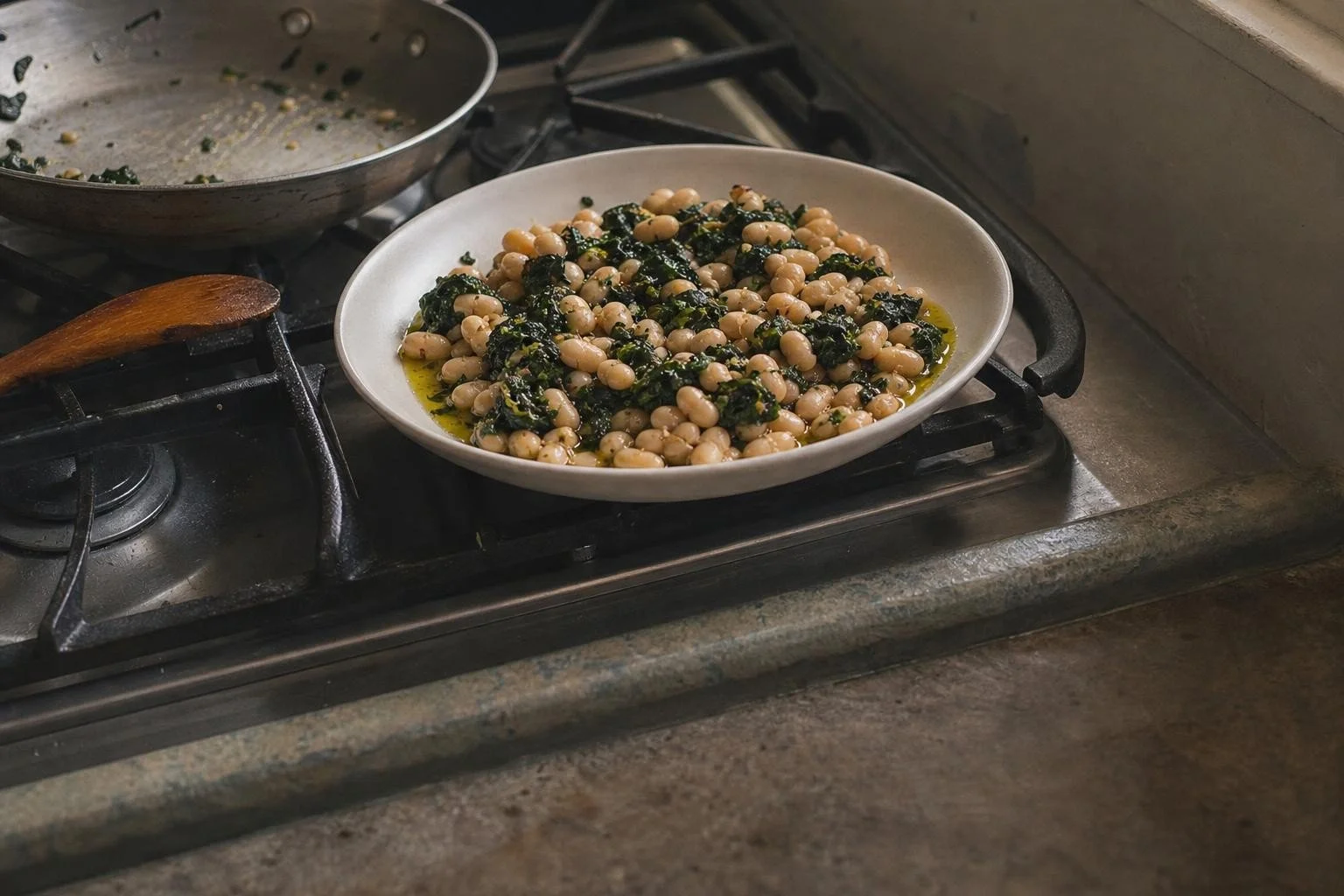
Participants filled in food questionnaires, and the researchers used the answers to calculate two scores: one for the MIND diet and one for the Healthy Eating Index. The MIND diet emphasises leafy greens, berries, beans, whole grains, olive oil, nuts and fish. Participants also had MRI brain scans, which measured white matter hyperintensities (a type of brain change seen on scans) and hippocampal volume. They completed assessments of memory, executive function and overall cognition too.
Here is what stood out:
Higher MIND diet scores were associated with better memory-test performance overall.
White matter hyperintensities were linked to poorer cognition in people with low MIND diet adherence. That link was significantly blunted among people with higher adherence.
A similar pattern was reported for cortical volume: lower volume predicted worse cognition when MIND adherence was low, but not in the same way at higher adherence.
The Healthy Eating Index-2020 did not show the same protective pattern.
In plain terms, the people who ate more in line with the MIND diet seemed to show less of a connection between brain changes on a scan and how they performed on thinking tests.
Why it matters for a busy reader
You may not be in your sixties yet, but the habits that shape later life are built in ordinary weeks. What makes this study interesting is that the MIND diet is not a strict programme or a list of supplements. It is a pattern built from everyday foods: greens, berries, beans, whole grains, olive oil, nuts and fish. Nothing here needs special equipment, a long prep session or a big budget.
It is also a reminder that not every healthy-eating score is the same. In this study, the MIND score showed the pattern and the broader Healthy Eating Index-2020 did not. That does not mean general healthy eating is unhelpful. It does suggest that the specific mix of foods may be worth paying attention to, and it is something researchers will no doubt keep exploring.
It also fits a theme we come back to often at Fit Democracy: small, repeatable choices tend to matter more than dramatic overhauls.
How to try it
You do not need to follow the diet to the letter. Think of the list as a menu of things to add, rather than a set of rules to pass or fail. Here is a gentle way to begin this week:
Pick one food from each part of the list you already like. For example, a handful of berries, a tin of beans, or a portion of fish.
Add rather than remove. Stir leafy greens into a soup, curry or pasta sauce. If you want ideas, our guide to kale for winter is a good place to start.
Swap one cooking fat for olive oil where it suits the dish, such as roasting vegetables or dressing a salad.
Keep nuts within reach. A small handful at your desk or in your bag turns a snack into part of the pattern.
Choose whole grains once a day, for instance wholegrain bread, oats or brown rice.
Beginner option: choose just one change for seven days. A bowl of berries with breakfast or a handful of greens in your evening meal is plenty. When it feels automatic, add a second.
If you already cook most meals: look at a few dinners and ask where a bean, a green or a portion of fish could earn its place. If you are building meals around muscle and energy too, our list of 8 power foods to build more muscle may spark more ideas.
One honest caveat
This study found associations, which means it cannot show that the MIND diet caused better memory or protected anyone's brain. The sample was small, just 66 people, and all were older adults already at elevated risk of dementia, so the findings may not apply in the same way to everyone. The write-up also gives few details on how the study was designed beyond the food questionnaires, scans and cognitive tests. Treat it as an early, interesting signal rather than a promise.
The diet is also not a substitute for medical care. If you have a health condition, food allergies, or take medication that interacts with certain foods, check with your doctor or GP, or a registered dietitian, before making big changes. And if you are worried about your memory or your family history, that is a conversation worth having with your doctor too.
Your next step
This week, add one MIND-style food to a meal you already make. Write it on the fridge or in your phone, and notice how easy it is to repeat. Consistency beats perfection, and a handful of berries or a spoonful of beans counts.
Want a plan that fits a busy week? Get the free 3×30 Strength Week and join the Fitizens.