6 Fitness Trends Set to Define 2026
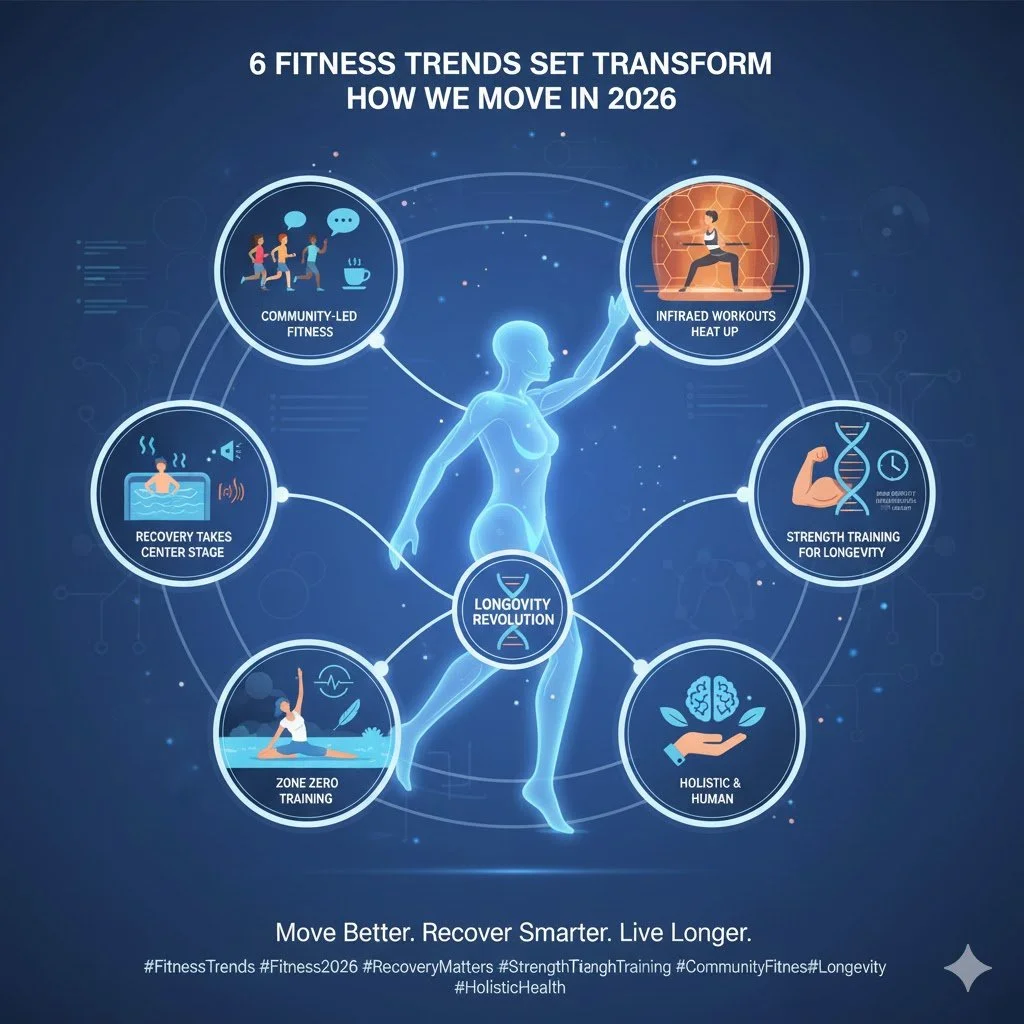
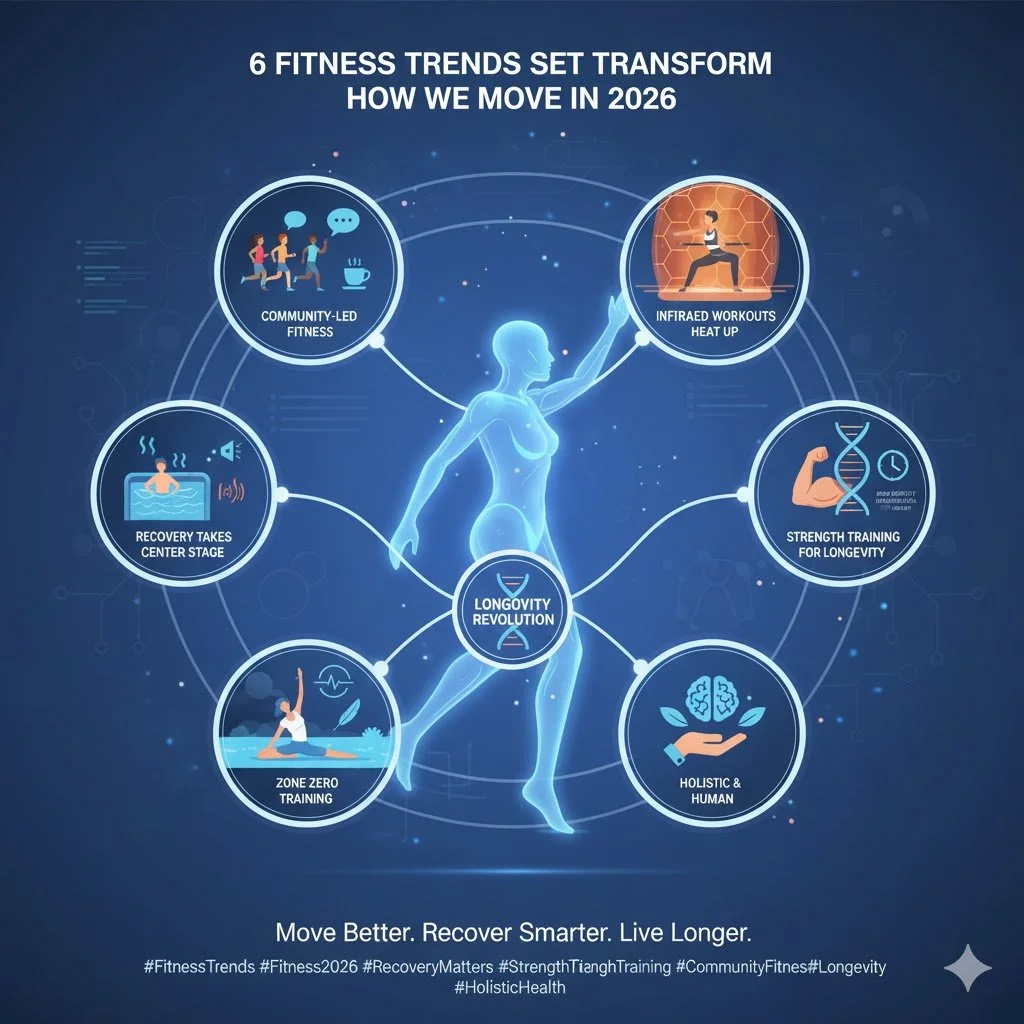
6 Fitness Trends Set to Transform How We Move in 2026
The fitness landscape is evolving—and not in the way you might expect.
Gone are the days when a "good workout" was measured solely by how much you sweat or how sore you felt the next morning. As we approach 2026, a fascinating shift is taking place in how we think about movement, recovery, and what it truly means to be fit.
After diving deep into the latest research and industry forecasts, I've identified six trends that are reshaping our approach to fitness. Whether you're a dedicated gym-goer or someone just beginning your wellness journey, these trends offer something refreshing—and surprisingly accessible—for everyone.
Let's explore what's ahead.
---
1. Community-Led Fitness: Your New Social Scene
Here's a trend that speaks to something deeper than physical health: the rise of fitness as a social experience.
Younger generations are increasingly trading late nights at bars for early morning workout classes, run clubs, and group fitness events. But this isn't about deprivation—it's about connection. Community-led fitness offers the social bonding we crave, wrapped in an experience that actually makes us feel good the next day.
Think packed Saturday morning cycling classes where strangers become friends. Running clubs that end at coffee shops. Fitness festivals that feel more like celebrations than competitions.
The message is clear: we're hungry for connection, and we're finding it through movement.
---
2. Recovery Takes Center Stage
If the past decade was about pushing harder, 2026 is about recovering smarter.
Luxury health clubs and boutique studios are responding to demand by dramatically expanding their recovery offerings. We're seeing plunge pools, infrared saunas, steam rooms, hydrotherapy facilities, and dedicated contrast therapy sessions—combining breathwork in heated environments with cold plunges—becoming standard rather than premium add-ons.
This shift acknowledges a fundamental truth that high-performers have known for years: recovery isn't a reward for hard work—it's an essential part of the work itself.
The studios leading this charge understand that members aren't just looking to burn calories. They're seeking restoration, stress relief, and genuine rejuvenation.
---
3. Zone Zero Training: The Gentle Revolution
Perhaps the most surprising trend on this list is the rise of what experts are calling "zone zero training"—ultra-low-intensity exercise that prioritizes gentle movement over grueling effort.
After years of being told to push through pain, crush workouts, and leave everything on the gym floor, this feels almost radical. Zone zero training represents a more compassionate approach to fitness, one that honours where your body is on any given day rather than forcing it into rigid expectations.
This doesn't mean challenging workouts are disappearing. Rather, we're developing a more nuanced understanding of intensity—recognising that gentle movement has profound benefits for our nervous systems, our stress levels, and our long-term relationship with exercise.
Sometimes, less really is more.
---
4. Infrared Workouts Heat Up
Move over, hot yoga. Infrared workouts are claiming their moment in the spotlight.
Unlike traditional heated studios that warm the air around you, infrared heat panels work differently—they convert electricity into warmth that heats your body directly. The result? A more comfortable experience with impressive benefits: reduced inflammation, increased flexibility, and notable pain relief.
London studios have already embraced this technology, offering infrared-heated barre, Pilates, and sculpt classes. And as the science behind infrared therapy becomes more widely understood, expect to see this trend spread rapidly across fitness markets worldwide.
For those who've avoided heated workouts due to the oppressive, heavy air of traditional studios, infrared offers an appealing alternative worth exploring.
---
5. Strength Training for Longevity
Weight training isn't new—but how we're thinking about it certainly is.
The conversation has shifted dramatically from aesthetics and performance to something more profound: longevity. Specifically, we're seeing increased focus on bone density, metabolic health, and the long-term impacts of building and maintaining muscle throughout our lives.
The research is compelling. Studies have demonstrated clear links between resistance training and extended, healthier lifespans. One particularly striking study found that consistent strength training can effectively make your body eight years younger.
The takeaway? Starting to lift weights in your twenties—and continuing throughout your life—isn't just about looking good. It's about investing in your future self, building a body that will serve you well for decades to come.
---
6. What This All Means for You
Looking at these trends collectively, a clear theme emerges: fitness in 2026 is becoming more holistic, more sustainable, and more human.
We're moving away from punishing workout cultures toward approaches that honour both our physical and emotional needs. We're seeking connection alongside conditioning. We're embracing rest as readily as we embrace effort.
Perhaps most importantly, we're thinking long-term—understanding that the choices we make today about how we move, recover, and care for our bodies will echo through the decades ahead.
---
Over to You
I'm curious: which of these trends resonates most with you? Are you already incorporating any of these approaches into your routine, or is there one you're eager to try?
Drop a comment below and share your thoughts. And if this post sparked something in you, please consider sharing it with someone who might find it valuable.
Here's to moving better, recovering smarter, and building bodies—and communities—that last.