How Long Does It Take to Get Fit?
How Long Does It Actually Take to Get Fit? The Honest Timeline Nobody Talks About
The real answer isn't what most fitness influencers want you to hear.
---
We've all been there. You start a new workout routine with fierce determination, check the mirror after two weeks, and wonder why you don't look like the "after" photo yet.
The fitness industry loves to sell us on quick fixes—"21-day transformations," "6-week shreds," and "instant results." But here's the truth that experienced trainers and researchers know: getting fit is a journey measured in months, not days.
Let's break down what the science actually says about fitness timelines—and why that's genuinely good news.
---
The Reality of Building Strength
According to Dr. Vonda Wright, an orthopaedic surgeon specializing in active aging, building meaningful strength takes 6 to 9 months when you're starting from scratch. That timeline includes learning proper technique, building foundational stability, and gradually progressing from bodyweight exercises to heavier loads.
Does that sound discouraging? It shouldn't.
Here's the reframe: You're not just building muscle—you're building a skill. And like any skill worth having, it takes time to master.
---
But Here's Where It Gets Exciting
While dramatic transformations take time, meaningful progress happens faster than you might think.
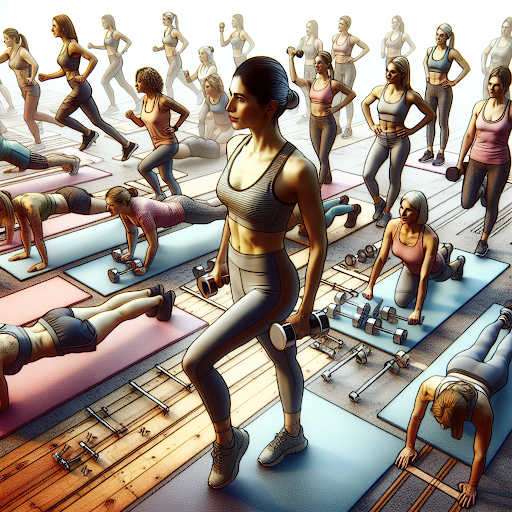
One compelling study followed women who started with high body fat percentages and committed to exercising just twice per week. Within three months, participants who initially couldn't hold a plank were holding one for two full minutes. They progressed from struggling with basic cardio to completing a 3.2-mile walk-run.
Twice per week. Three months. Measurable, life-changing results.
The key wasn't perfection—it was consistency.
---
The Longevity Factor
If aesthetic goals don't motivate you, consider this: the benefits of exercise extend far beyond how you look.
Research has shown that women who engage in 30 to 60 minutes of moderate exercise daily are 21% more likely to live to age 90 compared to those exercising less than 30 minutes.
Even more striking? Lifting weights for just one hour, three times per week, is associated with health benefits equivalent to being 7.8 years younger biologically.
Read that again. You could potentially reverse nearly eight years of biological aging through consistent strength training.
---
What This Means for Your Fitness Journey
Month 1-2: You'll notice improved energy, better sleep, and enhanced mood. Your body is adapting at the cellular level, even if the mirror doesn't show it yet.
Month 3-4: Functional fitness improves dramatically. Stairs feel easier. You're stronger in daily activities. Others might start noticing changes.
Month 6-9: This is where significant strength gains become visible. Your technique is refined, and you can safely challenge yourself with progressive overload.
Beyond: Fitness becomes lifestyle. The focus shifts from "getting fit" to maintaining the vitality you've built.
---
The Bottom Line
Getting fit isn't about finding the fastest route—it's about finding a sustainable one. The women in those studies didn't succeed because they found a secret shortcut. They succeeded because they showed up, consistently, even when results weren't immediately visible.
Your body is responding to every workout, every healthy choice, every hour of sleep—whether you can see it yet or not.
---
Over to You
I'd love to hear from you: What's been your experience with fitness timelines? Did results come faster or slower than you expected?
Drop a comment below and let's start a conversation. And if this post gave you a healthier perspective on your fitness journey, share it with someone who might need to hear it.
---
Here's to showing up—again and again.