Skip Superfoods: Real Longevity Foods That Work
Forget the Superfoods. These "Boring" Foods Are the Real Secret to Living Longer
The humble foods your grandmother ate might hold more longevity power than any açaí bowl ever could.
---
Every few months, a new superfood captures our collective imagination.
Dragon fruit. Spirulina. Maca powder. Goji berries shipped from the Himalayas.
We sprinkle them into smoothies, convinced we're unlocking some ancient secret to eternal youth. Meanwhile, the actual evidence for living a longer, healthier life has been sitting in the back of our pantries all along—unassuming, affordable, and decidedly unglamorous.
It's time we had an honest conversation about what really works.
---
The Superfood Industrial Complex Has a Problem
Here's the uncomfortable truth: most trendy superfoods lack the long-term research to back up their lofty claims.
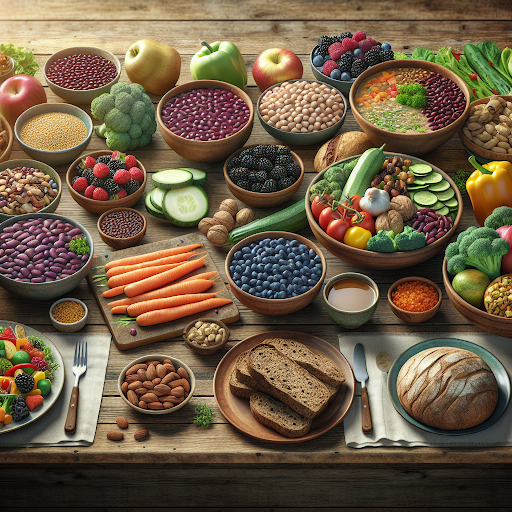
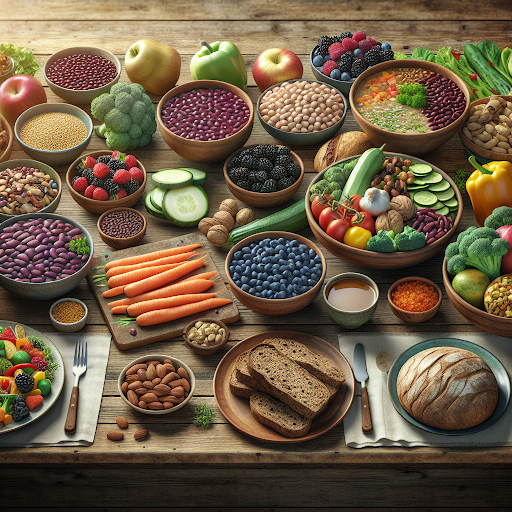
What we do have is decades of consistent, robust data pointing to the same humble staples over and over again. Legumes. Whole grains. Vegetables. Nuts. Berries. Olive oil. Fish.
Not exactly Instagram-worthy. But profoundly effective.
The researchers who study the world's longest-living populations—from Okinawa to Sardinia to Loma Linda, California—keep finding the same pattern. Centenarians aren't blending exotic powders. They're eating beans. Lots of beans.
---
The Foods That Actually Move the Needle
Let's break down what the science consistently supports:
Legumes: The Unsung Heroes
Beans, lentils, chickpeas, and peas appear in virtually every longevity diet studied. In Blue Zones—regions where people regularly live past 100—legumes are a dietary cornerstone. They're packed with fiber, plant-based protein, and compounds that support gut health and reduce inflammation.
One cup of black beans doesn't generate viral content. But it might add years to your life.
Whole Grains: Boring But Brilliant
Oats, barley, quinoa, brown rice, whole wheat—these foods stabilize blood sugar, feed beneficial gut bacteria, and provide sustained energy without the metabolic chaos of refined carbohydrates.
Studies consistently link whole grain consumption to lower risks of heart disease, type 2 diabetes, and certain cancers.
The Supporting Cast
Rounding out the longevity lineup:
- Non-starchy vegetables (leafy greens, cruciferous vegetables, peppers)
- Berries (one of the few "superfoods" with genuine research support)
- Nuts and seeds (rich in healthy fats and minerals)
- Fatty fish (omega-3s for brain and heart health)
- Olive oil (the Mediterranean diet's secret weapon)
---
What the Research Actually Shows
A Mediterranean-style eating pattern—rich in plants, whole grains, legumes, nuts, and olive oil—has been linked to 20% lower total mortality across multiple large-scale studies. That's not a marginal improvement. That's significant.
The Nurses' Health Study, one of the largest and longest-running investigations into women's health, repeatedly confirms these patterns. So does research from Blue Zone populations worldwide.
The mechanisms aren't mysterious:
- Reduced inflammation (the root of most chronic disease)
- Improved cardiovascular function
- Better insulin sensitivity
- Healthier gut microbiome
- Sustainable weight management
These benefits compound over decades. No single meal transforms your health, but thousands of meals built around whole, minimally processed plants create a foundation for longevity.
---
The Anti-Longevity Foods
Equally important is what long-lived populations don't eat:
- Red and processed meats (in excess)
- Sugary beverages
- Ultra-processed foods
- Refined grains and added sugars
Modeling studies suggest that shifting from a typical Western diet to a longevity-focused pattern could add over a decade to life expectancy when started in early adulthood. Even changes made later in life show meaningful benefits.
---
A Framework, Not a Formula
Here's what I find most liberating about this research: there's no single "optimal" diet.
The longest-lived populations eat differently from one another. The Okinawans emphasize sweet potatoes and soy. Sardinians rely on whole grain bread, beans, and pecorino cheese. Seventh-day Adventists in California follow various vegetarian patterns.
What unites them isn't a specific meal plan. It's principles:
- Mostly plants
- Minimally processed
- Moderate portions
- Consistent patterns over time
Researchers studying longevity diets note common threads: moderate carbohydrates from unrefined sources, plant-based proteins, around 30% of calories from healthy fats (primarily plant-derived), and eating within an 11-12 hour daily window.
Flexibility built on a foundation of whole foods.
---
Why We Resist the Simple Answer
If the solution is this straightforward, why do we keep chasing exotic alternatives?
Partly, it's marketing. There's no profit in telling people to eat more lentils. There's enormous profit in selling the next miracle ingredient.
Partly, it's human nature. We want the shortcut, the hack, the secret advantage. A bowl of oatmeal feels too ordinary to be transformative.
And partly, it's that real change requires patience. The benefits of eating well accumulate slowly, invisibly, over years and decades. We don't get the immediate feedback that makes habits stick.
But the evidence is overwhelming. The path to a longer, healthier life runs through your local grocery store—not the specialty supplement aisle.
---
Putting This Into Practice
You don't need to overhaul your entire diet tomorrow. Start with additions rather than restrictions:
Add beans to one meal each day. Toss chickpeas into a salad. Make a lentil soup. Blend white beans into a pasta sauce.
Swap one refined grain for a whole grain. Brown rice instead of white. Whole wheat bread. Steel-cut oats.
Make vegetables the main event occasionally. Not every meal needs to center on animal protein.
Keep nuts accessible. A handful as a snack. Sprinkled on yogurt. Mixed into stir-fries.
Small, sustainable changes beat dramatic overhauls that don't last.
---
The Bottom Line
The longest-lived people on Earth aren't following complicated protocols or sourcing high-end ingredients. They're eating simple, whole foods that have sustained human health for thousands of years.
Beans. Grains. Vegetables. Nuts. Olive oil. Some fish.
It's not glamorous. It won't generate likes. But it works.
Maybe it's time we stopped searching for the next superfood and started appreciating the ones that have been here all along.
---
What's your take? Have you found yourself caught up in superfood trends, or do you focus on whole food basics? I'd love to hear about the simple foods that anchor your diet—drop a comment below.