Biohacking for Longevity: Worth the Hype?
The Rise of Biohacking: What Science Actually Says About Living Longer
Exploring the intersection of cutting-edge technology, ancient wisdom, and the relentless human pursuit of longevity
---
We've always been obsessed with cheating death.
From Ponce de León's mythical Fountain of Youth to modern-day Silicon Valley executives injecting themselves with their teenagers' blood plasma, humanity's quest for immortality—or at least a few extra decades—has never wavered.
But something has shifted. What was once the domain of eccentric billionaires and fringe wellness gurus has entered the mainstream. Biohacking, once a whispered word in tech circles, is now a billion-dollar industry promising everything from enhanced cognition to radical life extension.
The question is: What actually works?
---
What Is Biohacking, Really?
At its core, biohacking is the practice of using science, technology, and self-experimentation to optimize your body's performance. It ranges from the mundane (tracking your sleep with a smartwatch) to the extreme (implanting microchips under your skin).
The biohacking spectrum includes:
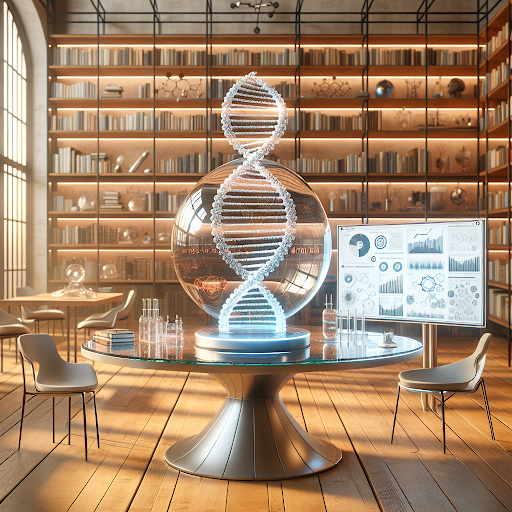
- Nutrigenomics – Tailoring your diet to your genetic makeup
- Cold exposure therapy – Ice baths and cryotherapy for metabolic benefits
- Intermittent fasting – Strategic eating windows for cellular repair
- Nootropics – Supplements and compounds designed to enhance brain function
- Red light therapy – Using specific wavelengths to promote cellular energy
- Continuous glucose monitoring – Tracking blood sugar in real-time, even without diabetes
Some of these practices have robust scientific backing. Others? Not so much.
---
The Evidence-Based Approaches
Let's separate signal from noise.
1. Sleep Optimization
Perhaps the least glamorous but most impactful biohack of all. Decades of research confirm that consistent, quality sleep (7-9 hours for most adults) affects everything from immune function to cognitive performance to longevity.
What works: Maintaining consistent sleep schedules, keeping rooms cool and dark, limiting blue light exposure before bed.
2. Caloric Restriction and Fasting
The research here is genuinely compelling. Studies in various organisms—from yeast to primates—show that caloric restriction can extend lifespan. In humans, intermittent fasting has demonstrated benefits for metabolic health, inflammation reduction, and cellular autophagy (the body's cleanup mechanism).
The caveat: Long-term human studies on lifespan are still limited. What we know for certain is that these practices can improve healthspan—the years you live in good health.
3. Exercise: The Original Biohack
It's not flashy, but regular physical activity remains the single most effective intervention for healthy aging. Combining cardiovascular exercise with resistance training protects against muscle loss, cognitive decline, and chronic disease.
The data: Studies consistently show that regular exercisers have biological markers 10-20 years younger than their sedentary peers.
4. Cold Exposure
The Wim Hof Method and cold plunge popularity have exploded. The science? Promising but not definitive. Cold exposure appears to activate brown fat, reduce inflammation, and improve mood through dopamine release.
Reality check: Most studies are small or short-term. Benefits are real but perhaps overstated by enthusiasts.
---
Where Skepticism Is Warranted
Not everything in the biohacking world deserves your attention—or your money.
Young blood transfusions – Despite headlines, the FDA has warned against this practice, noting no proven clinical benefit and potential risks.
Excessive supplementation – The supplement industry is notoriously under-regulated. Many products contain neither what they claim nor in effective doses. Some can cause harm.
Genetic testing for optimization – While interesting, most consumer genetic tests provide limited actionable information. Your genes are not your destiny; lifestyle factors often matter more.
Expensive gadgets – That $500 sleep tracker might be less useful than simply going to bed at the same time each night.
---
The Psychology of the Longevity Obsession
Here's where things get interesting.
Why are we so desperate to live longer? And is that desire always healthy?
There's something almost paradoxical about spending years of your life obsessing over extending it. The irony of tracking every biomarker while missing dinner with friends. The stress of optimization potentially causing the very inflammation you're trying to reduce.
Some researchers argue that our modern longevity obsession reflects a deeper anxiety—about mortality, certainly, but also about meaning. If we can just live long enough, the thinking goes, perhaps we can finally accomplish everything we've been putting off.
But what if the goal isn't to live forever, but to live fully?
---
A More Grounded Approach
The most evidence-based path to longevity isn't complicated. It's just not particularly marketable:
1. Move your body daily – Both cardio and strength training
2. Sleep consistently and sufficiently – Prioritize this above all else
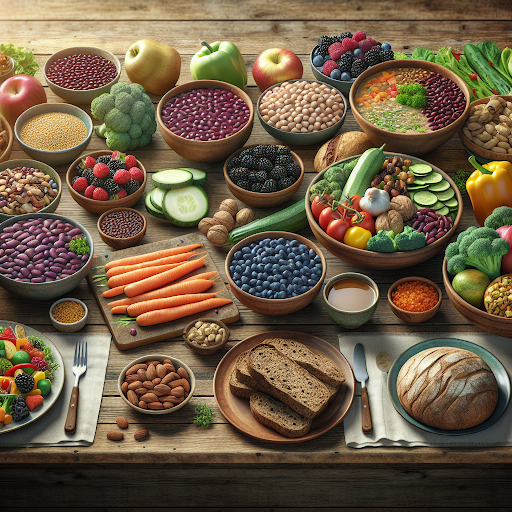
3. Eat whole foods – Mostly plants, reasonable portions, minimal processing
4. Maintain social connections – Loneliness is a mortality risk factor comparable to smoking
5. Manage stress – Chronic stress accelerates biological aging
6. Find purpose – Studies show people with strong sense of meaning live longer
Notice what's not on that list? Expensive supplements, extreme protocols, or tech gadgets.
The Blue Zones—regions where people regularly live past 100—share these characteristics. None of them involve biohacking conferences or optimization apps.
---
The Future of Longevity Science
That said, legitimate science is making remarkable progress.
Researchers are studying senolytics (drugs that clear damaged cells), NAD+ precursors (compounds that may support cellular energy), and rapamycin (an immunosuppressant showing promise in animal longevity studies).
Clinical trials are underway. Some interventions may eventually prove revolutionary.
But we're not there yet. Anyone claiming they have the answer to aging is either misinformed or selling something.
---
Finding Your Balance
Biohacking, at its best, is about curiosity—taking an active interest in how your body works and experimenting (safely) with what helps you feel and perform better.
At its worst, it becomes another form of anxiety, another way to feel inadequate, another expensive rabbit hole that distracts from what actually matters.
The sweet spot? Stay curious, stay skeptical, and remember that no amount of optimization replaces the fundamentals: sleep, movement, nutrition, connection, and purpose.
Your body is already remarkably good at keeping itself alive. Sometimes the best thing you can do is simply get out of its way.
---
Over to You
I'd love to hear your thoughts. Have you experimented with any biohacking practices? What's worked for you, and what turned out to be hype?
Drop a comment below and share your experience. And if this post made you think, consider sharing it with someone who might find it valuable.