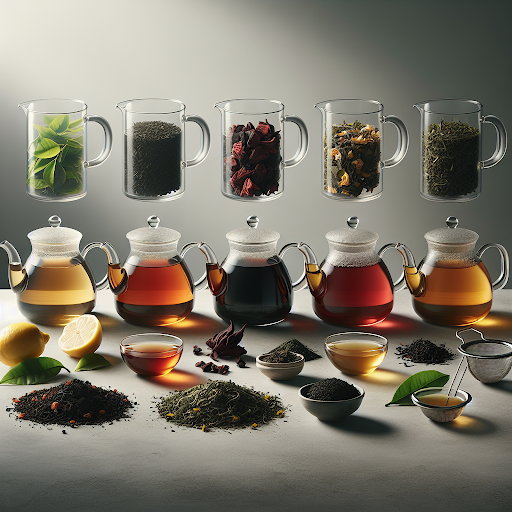
Green Tea Wins: The Healthiest Daily Tea
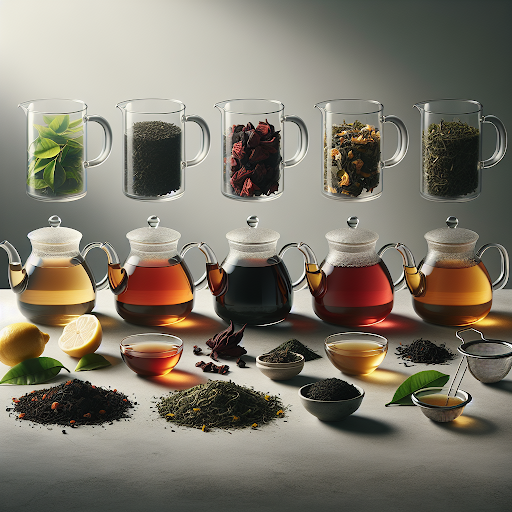
The Healthiest Tea to Drink Daily: A Science-Backed Guide to Your Perfect Cup
Discover which teas deliver the most powerful health benefits—and how to brew them for maximum impact.
---
There's something almost magical about the ritual of making tea. The gentle steam rising from your cup, the warmth spreading through your hands, that first soothing sip. But beyond the comfort and tradition, science is revealing what ancient cultures have known for centuries: tea is one of the simplest, most powerful habits you can adopt for your health.
With countless varieties lining store shelves and wellness influencers championing everything from matcha to mushroom blends, it's easy to feel overwhelmed. Which tea actually delivers on its promises? What should you be drinking every single day?
I dove into the research—including insights from registered dietitians and peer-reviewed studies—to bring you a definitive guide to the healthiest teas and exactly how to make them work for you.
---
The Gold Standard: Green Tea Takes the Crown
If you're only going to drink one tea daily, make it green tea.
Green tea has earned its reputation as the healthiest tea on the planet, and the science backs it up. It's exceptionally rich in catechins—powerful antioxidants, particularly one called EGCG (epigallocatechin gallate)—that have been linked to an impressive range of benefits:
- Heart health: Studies show green tea can reduce LDL cholesterol by 4–5 mg/dL
- Reduced inflammation throughout the body
- Weight management support through enhanced metabolism
- Lower risks of type 2 diabetes, certain cancers, and cognitive decline
The sweet spot? Two to three cups daily appears to maximize benefits without overdoing caffeine.
Pro tip for brewing: Heat matters more than you think. Boiling water can destroy those precious catechins. Instead, heat your water to 160–175°F and steep for just 1–2 minutes. Your patience will be rewarded with a smoother taste and more potent health benefits.
---
The Complete Tea Ranking: From Morning Energy to Evening Calm
2. Black Tea: The Robust Powerhouse
Don't dismiss black tea as green tea's lesser sibling. While it undergoes more oxidation during processing, black tea develops its own unique compounds called theaflavins and other flavonoids that deliver serious benefits:
- Cholesterol reduction
- Blood pressure control
- Improved gut health
- Stroke prevention
Black tea contains more caffeine than green (40–70mg per cup compared to coffee's 95mg), making it an excellent morning alternative for those looking to reduce their coffee intake while still getting that energizing boost.
3. Hibiscus Tea: The Blood Pressure Champion
Here's where things get exciting for the caffeine-sensitive crowd. Hibiscus tea is completely caffeine-free, making it perfect for afternoon or evening enjoyment—but its benefits are anything but mild.
Research shows hibiscus can lower systolic blood pressure by approximately 7 mmHg, a reduction that rivals some pharmaceutical interventions. The secret lies in its anthocyanins, the same compounds that give the tea its stunning ruby color. These powerful antioxidants also support liver health.
If you're managing hypertension naturally, hibiscus deserves a permanent spot in your pantry.
4. Oolong Tea: The Best of Both Worlds
Oolong occupies a fascinating middle ground between green and black tea. Partially oxidized, it offers a unique polyphenol profile that combines benefits from both ends of the spectrum:
- Enhanced fat burning and metabolism
- Better blood sugar regulation
- Improved bone health
Its complex, often floral or toasty flavor makes oolong a favorite among tea connoisseurs who appreciate nuance in their cup.
5. White Tea: The Gentle Giant
The least processed of all true teas, white tea retains exceptionally high antioxidant levels in its delicate leaves. Research links regular white tea consumption to:
- Improved skin health and anti-aging effects
- Cancer prevention properties
- Better oral health
With its subtle, slightly sweet flavor and lower caffeine content, white tea is ideal for those who find green tea too grassy or astringent.
---
Beyond the Camellia Plant: Herbal Allies Worth Adding
While technically not "true teas" (they don't come from the Camellia sinensis plant), these herbal infusions offer their own research-backed benefits:
Rooibos: This South African red bush tea is caffeine-free, rich in antioxidants, and supports heart health while reducing oxidative stress. Its naturally sweet flavor makes it satisfying without any additions.
Pu-erh: A fermented tea from China's Yunnan province, pu-erh has shown promise for digestion, cholesterol management, and weight loss. Its earthy, complex flavor is an acquired taste—but devotees swear by it.
Chamomile, Ginger, and Peppermint: These familiar favorites remain excellent choices for specific concerns—sleep support, nausea relief, and digestive comfort, respectively.
---
Making Tea Work Harder: Preparation Tips That Matter
The difference between a mediocre cup and a health-optimizing elixir often comes down to preparation. Here's how to maximize every steep:
Choose loose-leaf when possible. Tea bags are convenient, but loose-leaf varieties typically contain higher-quality, less-processed leaves with more intact beneficial compounds.
Use filtered water. Chlorine and minerals in tap water can affect both flavor and the tea's chemical composition.
Mind your temperature. As mentioned, boiling water isn't always best. Delicate teas (green, white) prefer cooler temperatures, while black and pu-erh can handle hotter water.
Add a squeeze of lemon. The vitamin C enhances your body's absorption of tea's antioxidants—plus it tastes refreshing.
Don't over-steep. More time doesn't mean more benefits. Extended steeping often extracts bitter compounds while degrading the beneficial ones.
---
How Much Is Too Much?
For most healthy adults, 3–5 cups daily is considered safe and beneficial. However, you should consult your healthcare provider before making tea a major habit if you:
- Are pregnant or breastfeeding
- Take medications (especially blood thinners or blood pressure meds)
- Are sensitive to caffeine
- Have iron deficiency (tea can inhibit iron absorption)
Excessive tea consumption can cause jitters, sleep disruption, or digestive upset. As with most things in nutrition, more isn't always better.
---
The Bottom Line: A Simple Habit for a Longer, Healthier Life
In a wellness landscape filled with expensive supplements, complicated protocols, and contradictory advice, tea stands out as remarkably simple and remarkably effective. Backed by centuries of tradition and modern meta-analyses alike, a daily tea habit represents one of the easiest upgrades you can make for your long-term health.
Green tea earns the top spot for its comprehensive benefits, but the real winner is variety. Rotate through different teas throughout your day—energizing black or green in the morning, metabolic-boosting oolong in the afternoon, calming hibiscus or chamomile in the evening—and you'll capture an impressive spectrum of protective compounds.
The best tea for your health? The one you'll actually enjoy drinking, day after day.
---
I'd love to hear from you: What's your go-to daily tea, and have you noticed any benefits since making it a habit? Drop a comment below and let's share our favorite brews and rituals. If this guide helped you, please share it with a fellow tea lover who might benefit!
Here's to your health, one cup at a time. 🍵