Fitness That Sticks: Recovery, Habit, Enjoy
Forget the "New Year, New Me" Mentality—Here's How to Build a Fitness Routine That Actually Lasts
We've all been there.
January 1st rolls around, and suddenly we're convinced this is the year. We buy the gym membership, download three fitness apps, and commit to working out six days a week. By February? The motivation has evaporated, the running shoes are collecting dust, and we're left wondering why we can't just stick with it.
Here's the truth: the problem isn't you. It's the approach.
The fitness industry has sold us on intensity, extreme goals, and all-or-nothing mentalities. But research—and real-world experience—tells us something different. Sustainable fitness isn't about going hard until you burn out. It's about building a system that fits your life, feels enjoyable, and leaves room for recovery.
Let's break down what actually works.
---
Recovery Isn't Optional—It's Essential
One of the biggest mistakes people make when starting a fitness routine? Treating rest like laziness.
Your body doesn't get stronger during workouts—it gets stronger during recovery. When you skip rest days, you're not being dedicated; you're setting yourself up for burnout, injury, and the kind of exhaustion that makes you want to quit entirely.
The research-backed minimum for sustainable fitness is more accessible than you might think:
- 20-30 minutes of walking daily
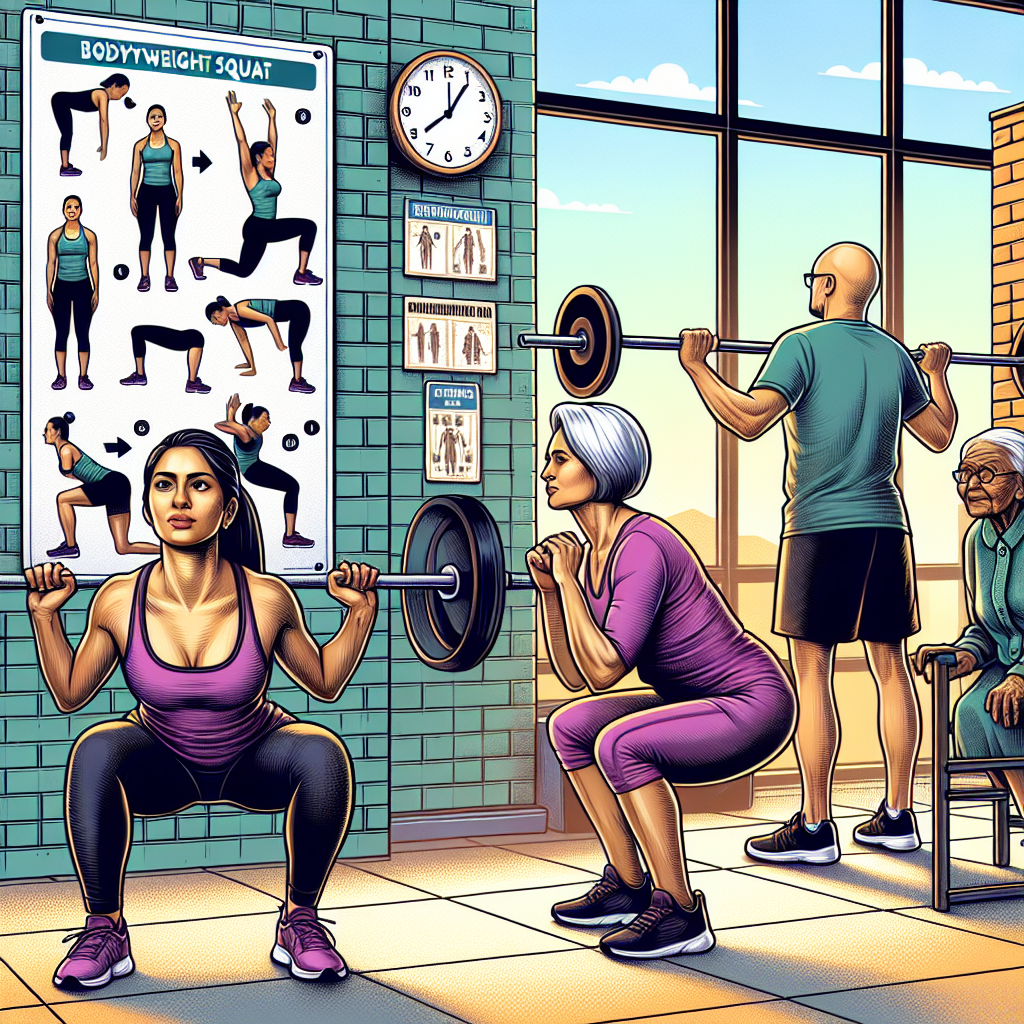
- 2-3 strength training sessions per week (20-40 minutes each)
That's it. No two-hour gym sessions required.
Active recovery matters too. Think gentle yoga, a leisurely walk, or some light stretching. These activities keep your body moving without taxing your system, allowing muscles to repair and energy to replenish.
The takeaway: Rest isn't the opposite of progress. It's part of it.
---
Track What Actually Matters
Fitness trackers and calorie-counting apps can be useful tools—but they can also become sources of anxiety and guilt.
If you find yourself obsessing over closing rings, hitting exact calorie targets, or feeling defeated when the numbers don't look "right," it might be time to shift your focus.
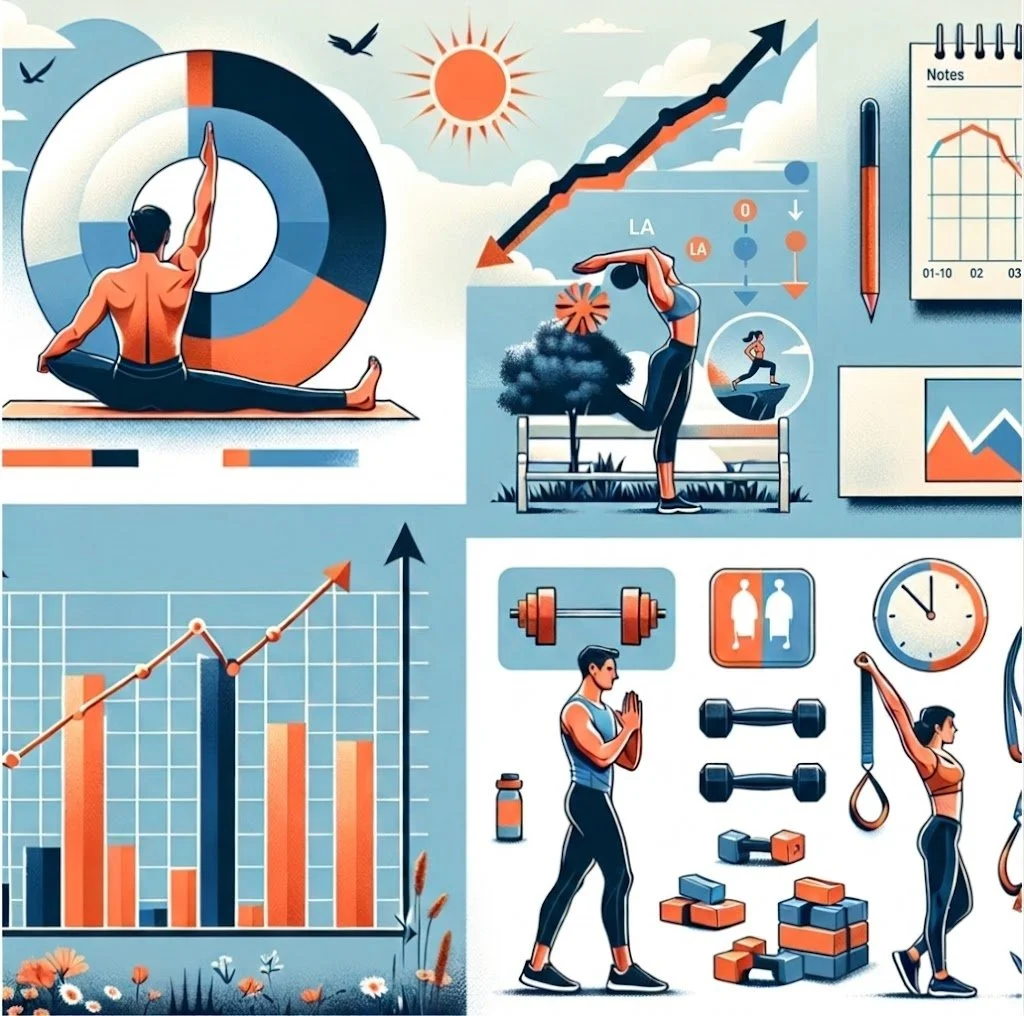
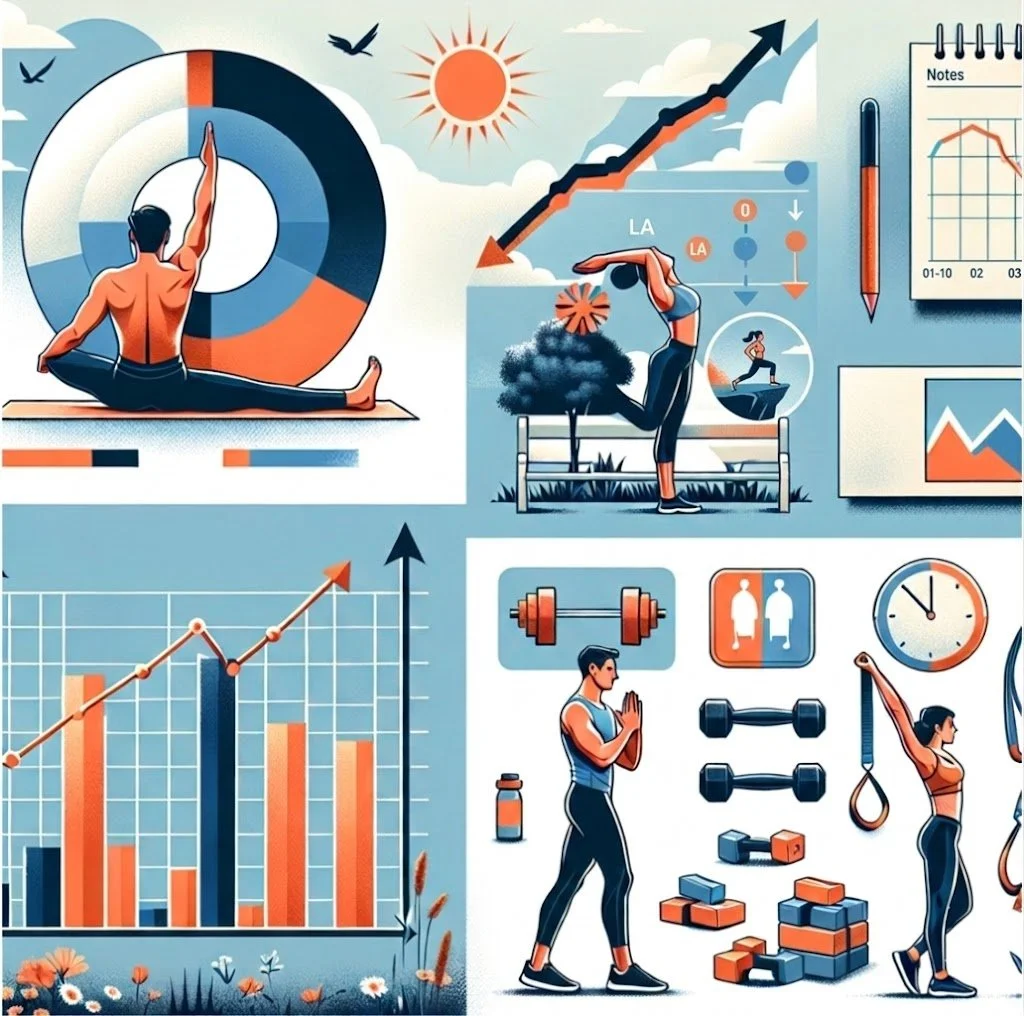
Instead of tracking everything, try tracking what's meaningful:
- Consistency: Did you show up this week?
- Strength gains: Can you lift a little more or hold a plank a little longer?
- Energy levels: How do you feel after your workouts?
- Enjoyment: Are you actually looking forward to movement?
These metrics tell you far more about your long-term success than a smartwatch ever could. Progress isn't always linear, and the numbers on a screen don't capture how much better you sleep, how much stronger you feel carrying groceries, or how your mood lifts after a morning walk.
The takeaway: Data should empower you, not control you.
---
Start Small, Build Gradually, and Make It Fun
Here's where most fitness resolutions go wrong: we try to change everything at once.
Going from zero workouts to five weekly sessions is a recipe for failure. Instead, think about integrating movement into your existing life in small, sustainable ways.
Start with what's manageable:
- A 10-minute walk after lunch
- A 15-minute home workout before your morning shower
- Taking the stairs instead of the elevator
Once these small habits feel automatic, you can build from there.
Variety is your friend. Doing the same workout every day isn't just boring—it can lead to overuse injuries. Mix things up by alternating muscle groups (legs one day, upper body the next) and trying different types of movement. Dance classes, hiking, swimming, strength training, yoga—the options are endless.
Most importantly? Find movement you actually enjoy. If you dread every workout, you won't stick with it. Period. Fitness should add to your life, not feel like punishment.
The takeaway: Small, enjoyable habits beat ambitious plans you can't maintain.
---
Plan for Life to Get in the Way
No matter how motivated you are, life will interrupt your routine. Work deadlines pile up. Kids get sick. Travel happens. Motivation dips.
The key isn't to have perfect discipline—it's to build flexibility into your system.
When your workouts become habitual rather than willpower-dependent, they're easier to restart after a break. You don't have to "find motivation" again because the routine is already wired into your day.
And when setbacks happen (because they will), treat them as pauses, not failures. Missed a week? Start again with something small. Fell off track during the holidays? That's normal. Just pick up where you left off without the guilt spiral.
The takeaway: Flexibility isn't weakness. It's how sustainable routines survive real life.
---
The Shift That Changes Everything
The fitness culture we've been sold glorifies extremes: intense workouts, restrictive diets, dramatic transformations.
But the people who stay fit for decades? They've figured out something different. They've built systems—not sprints. They prioritize enjoyment, recovery, and consistency over perfection.
They've stopped chasing "new year, new me" and started building routines that work with their lives, not against them.
This isn't about lowering your standards. It's about raising your chances of success.
---
Your Turn
What's one small change you could make this week to build a more sustainable fitness routine? Maybe it's adding a daily walk, scheduling a rest day, or finally trying that dance class you've been curious about.
Drop your thoughts in the comments below—I'd love to hear what's working for you (or what you're struggling with). And if this post resonated, share it with someone who might need a gentler approach to fitness this year.
Here's to movement that lasts.