Isometric Exercises: The Best Way to Lower Blood Pressure
The Surprising Exercise That Beats Cardio for Lowering Blood Pressure
You don't need to run a marathon or spend hours at the gym. The most effective exercise for your heart health might just involve standing completely still.
If you've ever dismissed wall sits or planks as "too easy" or "not real exercise," it's time to reconsider. Groundbreaking research is challenging everything we thought we knew about cardiovascular health—and the results might surprise you.
---
The Research That's Changing the Conversation
A comprehensive analysis published in the British Journal of Sports Medicine examined nearly 300 randomized controlled trials to answer a simple question: Which type of exercise is best for lowering blood pressure?
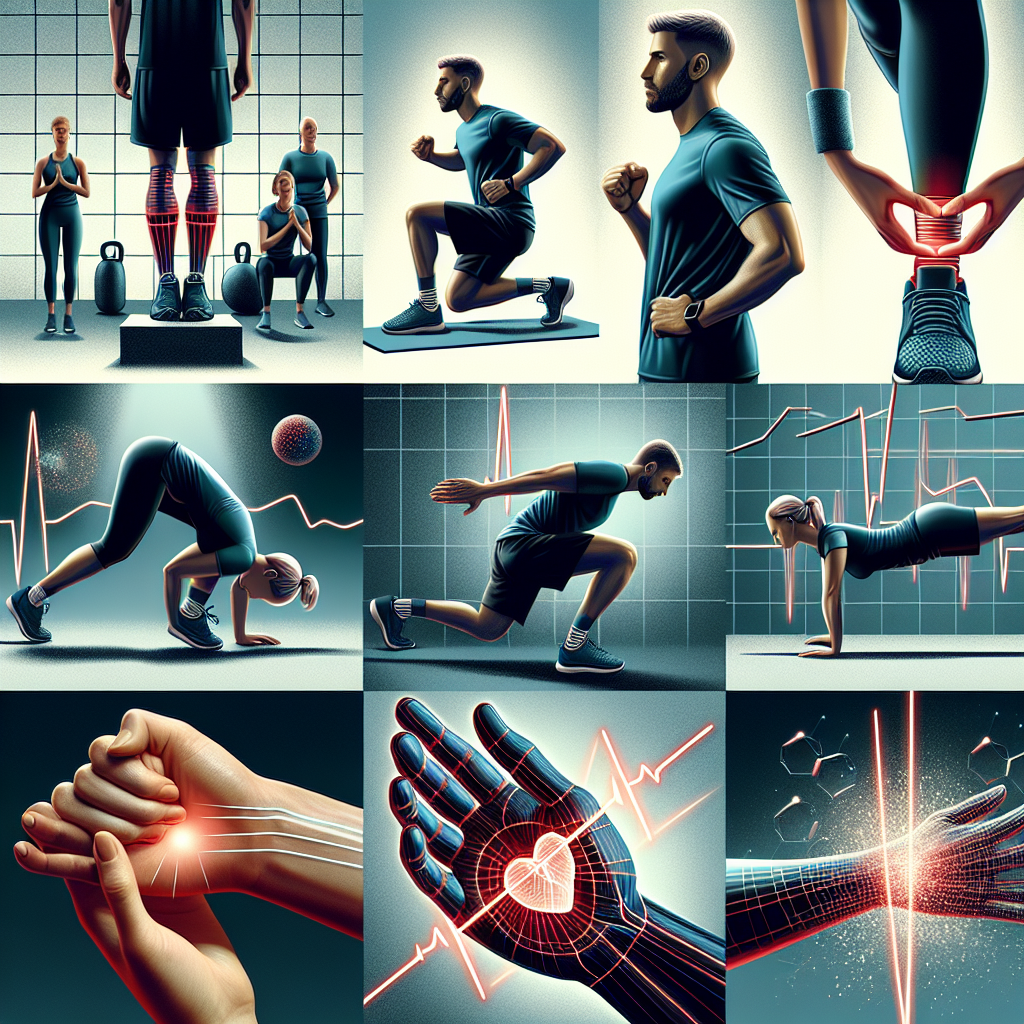
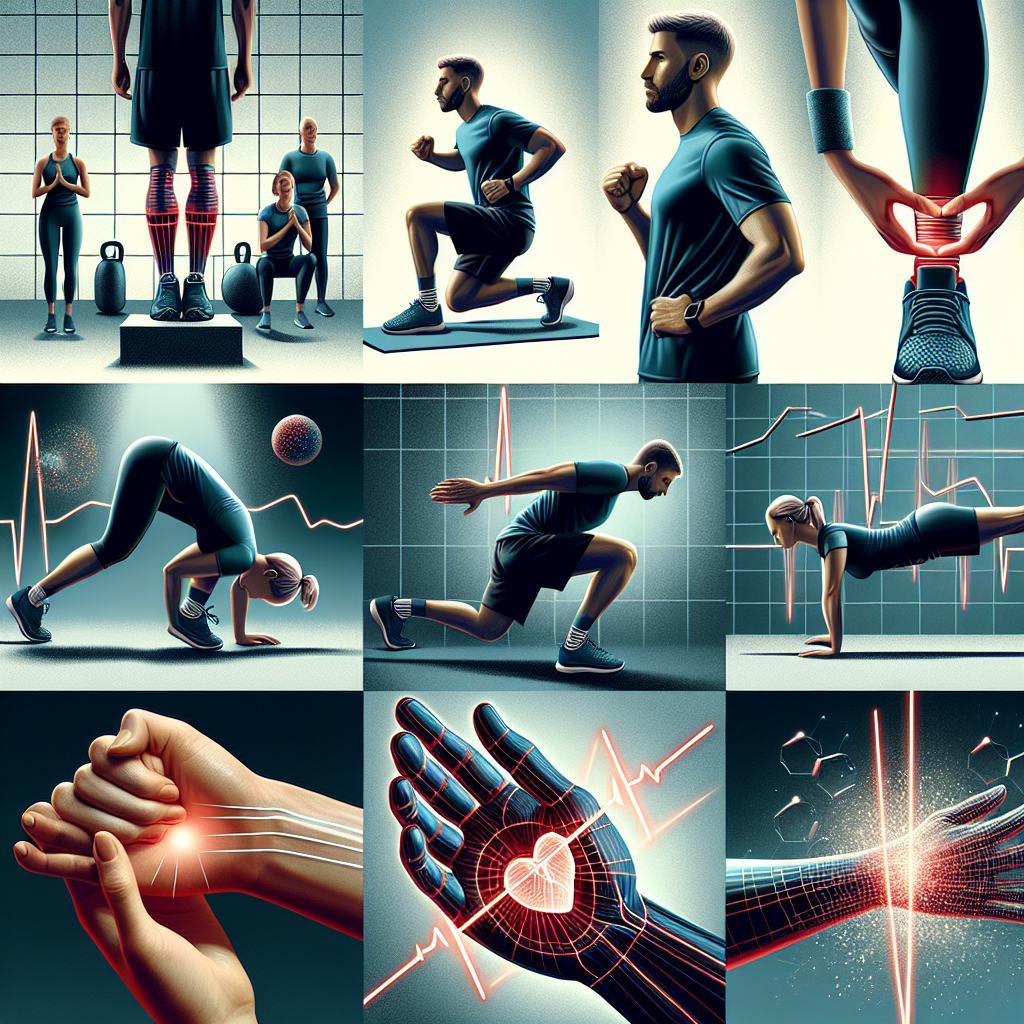
The contenders included aerobic exercise, traditional resistance training, combined training approaches, and high-intensity interval training (HIIT). The unexpected winner? Isometric exercises—movements like wall squats, planks, and static holds where you maintain a position without moving.
That's right. Holding a position might be more beneficial for your blood pressure than pounding the pavement.
---
How Does Holding Still Actually Help Your Heart?
The science behind this is fascinating.
Jamie O'Driscoll, a cardiovascular physiology researcher, explains the mechanism beautifully: during an isometric hold, your muscle tension increases significantly. When you release the position, blood suddenly rushes through your body, dramatically increasing blood flow.
Think of it like a garden hose. When you pinch the hose (the hold), pressure builds. When you release it (the relaxation phase), water surges through with greater force. This repeated cycle of tension and release appears to train your cardiovascular system in uniquely beneficial ways.
---
Beyond Blood Pressure: The Hidden Benefits
The advantages of isometric training extend far beyond heart health:
Remarkably Low Injury Risk
Because these exercises involve no movement, there's minimal stress on joints and connective tissues. You won't be nursing sore muscles for days afterward, and the risk of acute injury drops significantly compared to dynamic strength training.
Strength Where You Need It Most
While isometric exercises may not build muscle mass as dramatically as traditional weightlifting, they excel at building strength in specific positions. This makes them particularly valuable for rehabilitation, sports performance, and functional daily movements.
Improved Mobility and Flexibility
Here's a counterintuitive finding: static holds can actually improve your range of motion. This makes isometric training especially beneficial for people managing arthritis, recovering from injury, or working through surgical rehabilitation.
Accessible to Almost Everyone
Whether you're managing chronic pain, dealing with joint issues, or working with limited mobility, isometric exercises can be modified to meet you where you are. No gym membership required. No special equipment necessary.
---
A Sample Routine to Get You Started
Ready to incorporate isometric exercises into your life? Here's a simple routine you can do anywhere:
Wall Sit: Slide your back down a wall until your thighs are parallel to the floor. Hold for 30-60 seconds. Rest. Repeat 3-4 times.
Plank: Support your body on your forearms and toes, keeping your body in a straight line. Hold for 20-45 seconds. Rest. Repeat 3-4 times.
Glute Bridge Hold: Lie on your back, feet flat on the floor, and lift your hips toward the ceiling. Hold at the top for 30-45 seconds. Rest. Repeat 3-4 times.
Start with what feels manageable and gradually increase your hold times as you build strength.
---
The Important Caveat
Before you abandon your running shoes entirely, here's the crucial takeaway: all forms of exercise studied improved blood pressure. Isometric training showed the most dramatic results, but aerobic exercise, resistance training, and HIIT all contributed to cardiovascular health.
The best exercise program is one you'll actually stick with. If you love cycling, keep cycling. If yoga brings you joy, keep flowing. But consider adding a few isometric holds to your routine—your heart might thank you for it.
---
The Bottom Line
Sometimes the most powerful changes come from the simplest actions. In a fitness culture obsessed with movement, intensity, and burning calories, there's something almost revolutionary about the idea that holding still might be exactly what our bodies need.
What's your experience with isometric exercises? Have wall sits or planks been part of your routine, or is this research inspiring you to try something new? Drop a comment below—I'd love to hear your thoughts.