Do More Squats for a Stronger, Healthier Heart
Why Squats Might Be the Best Thing You Can Do for Your Heart
Let's talk about the humble squat.
It's one of those exercises that seems almost too simple to be powerful. No fancy equipment required. No gym membership necessary. Just you, gravity, and the floor beneath your feet.
But here's what makes squats genuinely fascinating: they're not just a leg exercise. They're a heart exercise. And the research backing this connection is compelling enough to make you rethink your entire approach to cardiovascular health.
---
Beyond the Treadmill: Rethinking Heart Health
When most people think about heart-healthy exercise, they picture running, cycling, or spending thirty minutes on an elliptical machine. And while traditional cardio certainly has its place, we're learning that building strong leg muscles plays a crucial role in cardiovascular resilience that we've historically underestimated.
Squats engage some of the largest muscle groups in your body—your glutes, quadriceps, and hamstrings. When these powerhouse muscles contract and release, they create significant metabolic demand. Your heart responds by pumping more efficiently, your blood vessels adapt, and over time, your entire cardiovascular system becomes more robust.
Think of your legs as a second heart. The muscle contractions help push blood back up toward your chest, supporting circulation in ways that smaller muscle groups simply can't replicate.
---
The Functional Movement Connection
Here's something worth considering: how many times a day do you perform a squatting motion without even thinking about it?
Getting out of bed. Rising from your desk chair. Picking up groceries from the floor. Playing with your kids or grandkids.
Squats aren't just exercise—they're a rehearsal for life.
As we age, maintaining the ability to perform these fundamental movements becomes increasingly important. Research consistently shows that functional lower-body strength correlates with:
- Better balance and coordination
- Reduced fall risk
- Improved bone density
- Greater independence in daily activities
The beautiful thing about squats is that they challenge your body through a full range of motion under load, which is exactly what keeps joints healthy and mobile over time.
---
You Don't Need Heavy Weights
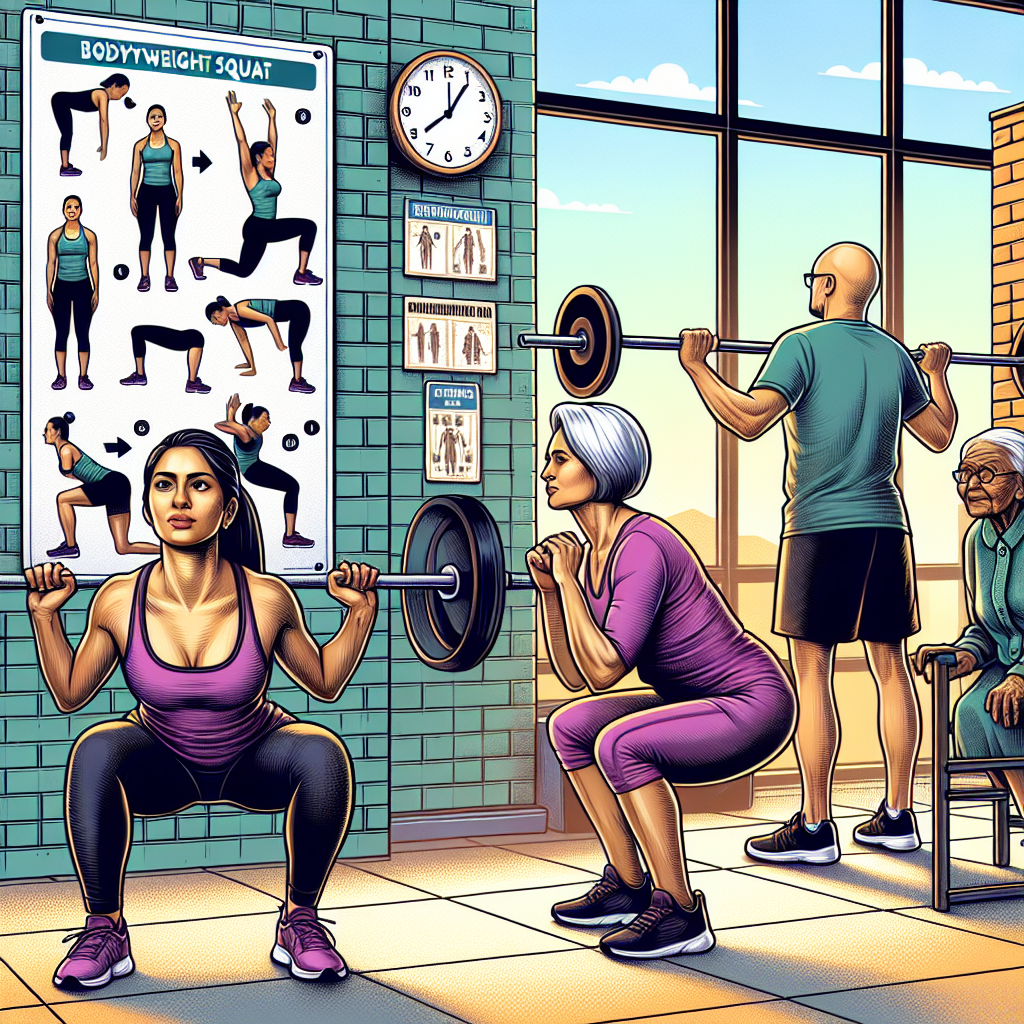
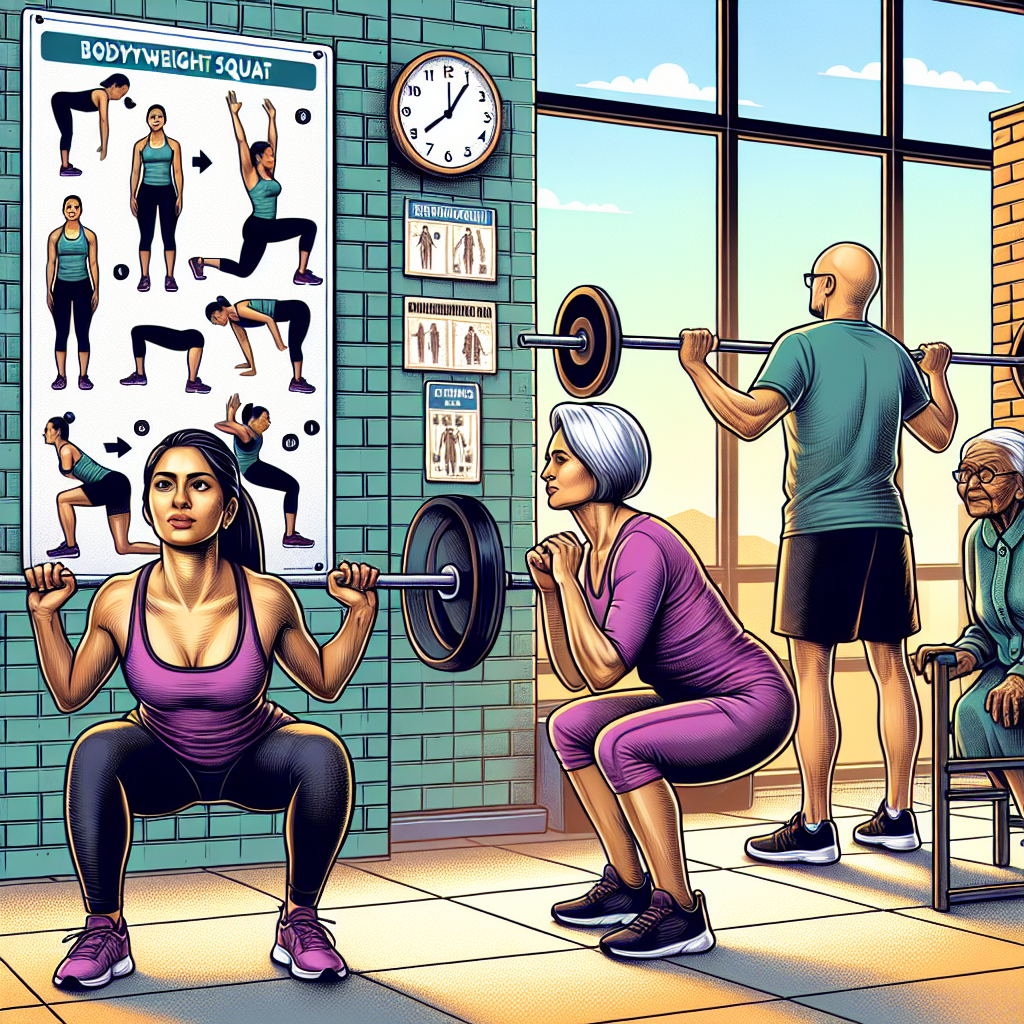
One common misconception is that squats need to involve a barbell across your shoulders to be effective. While barbell squats certainly have their place, bodyweight variations can be remarkably powerful—especially when you get creative with progressions.
Studies examining short-term bodyweight squat programs (as brief as six to eight weeks) have demonstrated significant improvements in thigh muscle strength, increased muscle circumference, and measurable fat reduction. All without touching a single weight plate.
The key lies in progression and variation.
Unilateral movements—exercises that work one leg at a time—have been shown to outperform bilateral squats for muscle stimulation. Bulgarian split squats and single-leg squat progressions create greater muscle activation and challenge your stability in ways that standard two-legged squats cannot.
These single-leg variations also improve your hamstring-to-quadriceps strength ratio, which is critical for knee health and injury prevention.
---
Variations Worth Exploring
If you're ready to expand your squat practice, consider incorporating these variations:
Skating Squats: These lateral-shifting squats build endurance, coordination, and joint stability while keeping your workout dynamic and engaging.
Squats with Lateral Leg Lifts: Adding a leg lift at the top of each rep targets your gluteus medius—a often-neglected muscle that's essential for hip stability and preventing knee injuries.
Bulgarian Split Squats: With your rear foot elevated on a bench or step, this variation dramatically increases the challenge to your front leg while improving balance and coordination.
Pause Squats: Holding at the bottom position for two to three seconds eliminates momentum and forces your muscles to work harder through the most challenging part of the movement.
---
The Brain-Body Connection
Perhaps the most intriguing aspect of leg-focused strength training is its connection to brain health.
Research has identified that working the large muscles of the lower body triggers the production of Brain-Derived Neurotrophic Factor (BDNF)—a protein that supports the growth, function, and survival of brain cells. It's essentially fertilizer for your neurons.
This means that your squat practice isn't just strengthening your heart and legs; it may be supporting cognitive function and brain health as well. The body is a beautifully integrated system, and squats tap into that integration in profound ways.
---
Making It Cardiovascular
Want to amplify the heart-health benefits of your squat practice? Consider these strategies:
Shorten your rest periods: Instead of resting for a full minute between sets, try thirty seconds. This keeps your heart rate elevated and creates cardiovascular adaptations alongside strength gains.
Circuit training: Combine squats with other bodyweight movements (push-ups, planks, lunges) performed back-to-back with minimal rest.
Add tempo variations: Slow, controlled descents followed by explosive rises create metabolic demand that challenges your cardiovascular system.
Increase volume gradually: More repetitions over time build muscular endurance while keeping your heart working.
---
Starting Your Practice
If you're new to squats or returning after a break, begin simply:
Start with ten bodyweight squats, focusing on depth (getting your thighs at least parallel to the floor) and control. Pay attention to keeping your knees tracking over your toes and your chest lifted.
Once that feels comfortable, add repetitions. Then add sets. Then explore the variations mentioned above.
The most important thing is consistency. A few squats every day will serve you better than an intense session once a month.
---
A Final Thought
There's something almost poetic about the squat. It's one of the first movements we learn as toddlers—that instinctive dropping down to explore something on the ground. And it's often one of the first movements we lose as adults when we stop using our bodies fully.
Reclaiming your squat is, in a sense, reclaiming a fundamental part of your human movement vocabulary. And as it turns out, your heart will thank you for it.
---
I'd love to hear from you: What's your relationship with squats? Are they a regular part of your routine, or are you inspired to give them another try? Drop a comment below and share your experience—and if this resonated with you, please share it with someone who might benefit.**