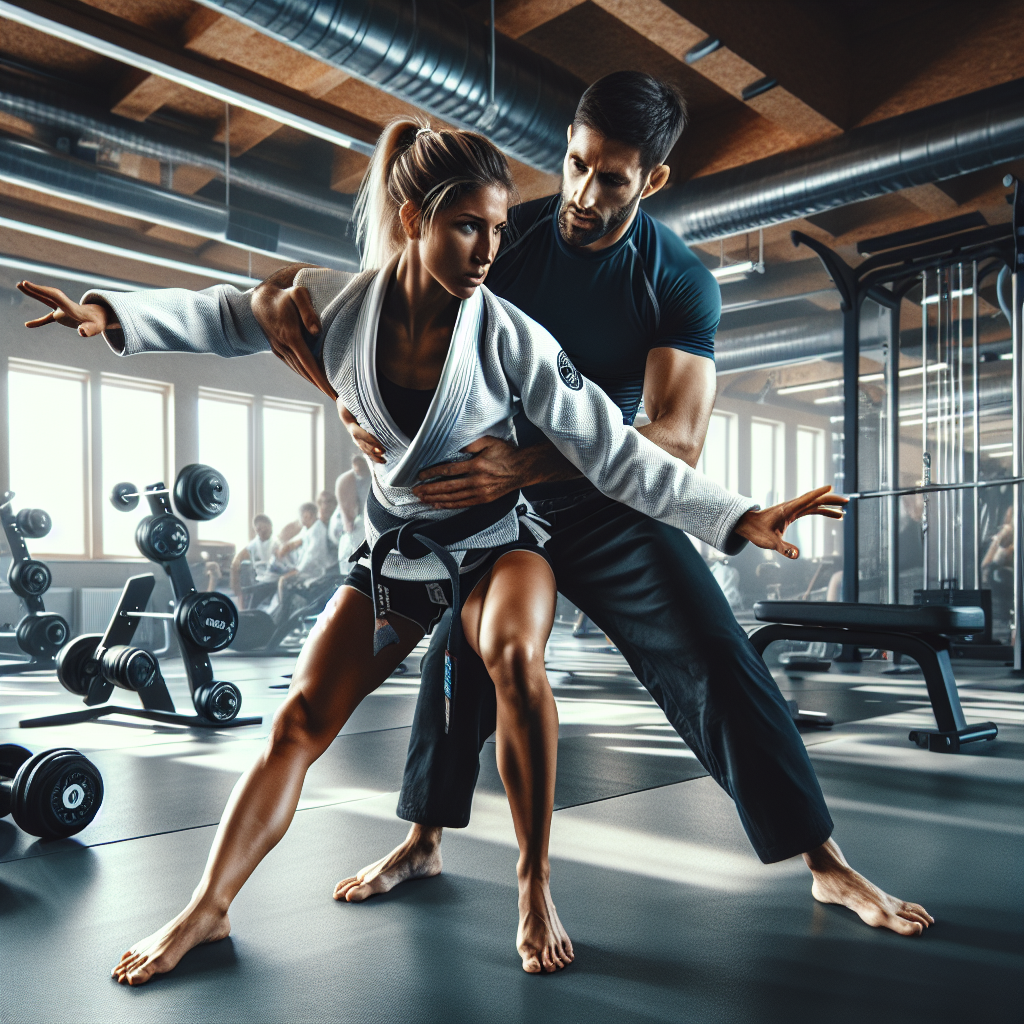
“Brazilian Jiu-Jitsu at 31: My Toughest Workout”
I Started Brazilian Jiu-Jitsu at 31—Here's What Happened to My Body and Mind
There's a moment in every Brazilian jiu-jitsu class where you find yourself pinned beneath someone, completely exhausted, wondering what series of life choices led you here.
For me, that moment came about three weeks into training. I was drenched in sweat, my forearms were screaming, and I had absolutely no idea how to escape the position I was in. I remember thinking: This is, without question, the hardest workout I've ever done.
Nearly a year later, I can confidently say it's also been the most transformative.
---
The Decision to Start
At 31, I wasn't looking for a new hobby. I had a solid fitness routine, a background as a college athlete, and enough gym experience to feel comfortable in most workout settings. But something was missing. My workouts had become predictable. I was going through the motions without being truly challenged.
Then a friend mentioned she'd started BJJ. She described it as humbling, addictive, and unlike anything else she'd ever tried. That was enough to get me through the door of a local academy.
What I found there changed everything.
---
What Training Actually Looks Like
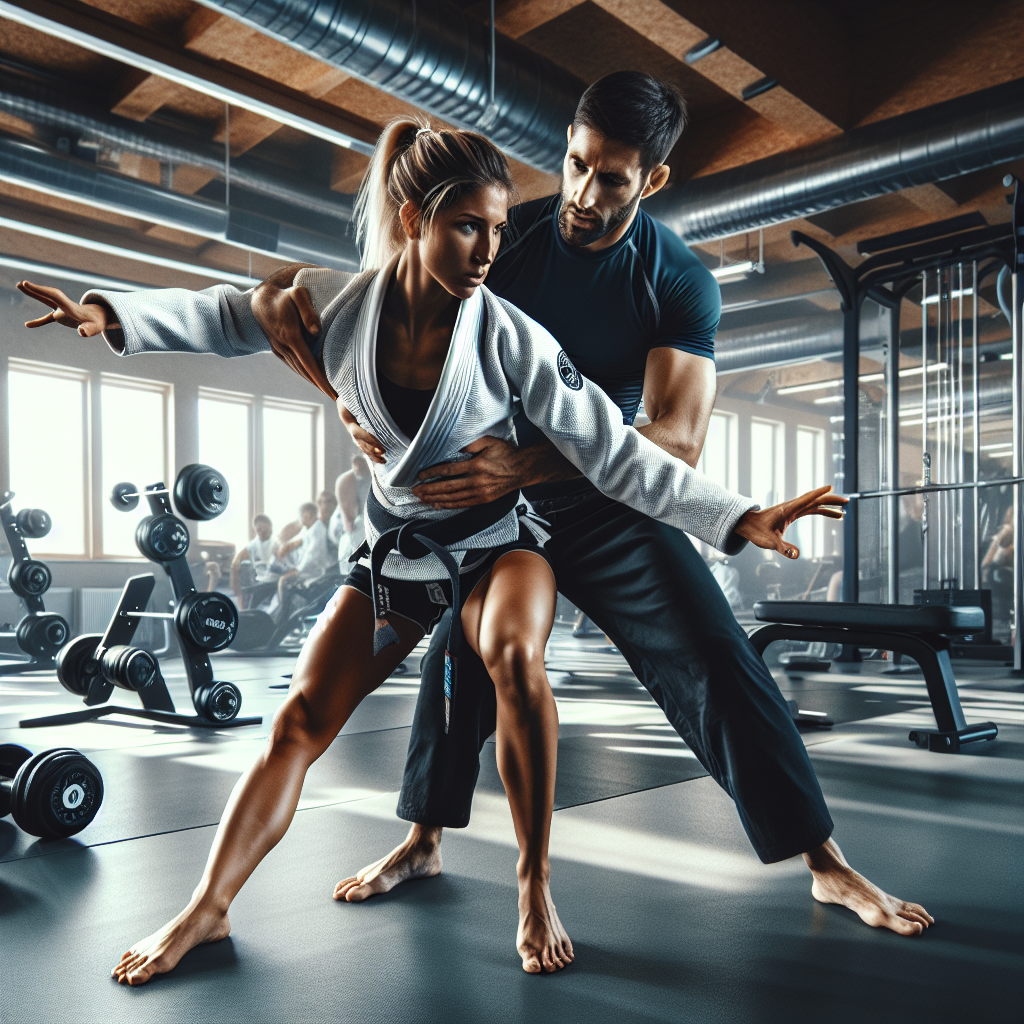
I train two to three times per week, with each class lasting about an hour. The structure is consistent: roughly 45 minutes of foundational drills followed by 15 minutes of "rolling"—live sparring with a partner.
If you've never tried BJJ, imagine chess combined with wrestling. Every movement requires strategy. Every position has counters and re-counters. And your entire body is engaged the entire time.
Upper body: Gripping, pulling, framing, and executing submissions demand serious grip and arm strength.
Lower body: Sweeps, escapes, and guard retention rely heavily on hip mobility and leg power.
Core: Everything—and I mean everything—requires core stability. There's no bracing against a machine here. Your body is the machine.
But here's what surprised me most: the mental component. BJJ forces you to stay present. You can't zone out or go through the motions. If your mind wanders, you get swept, submitted, or pinned. It's meditation through movement, and it's built a kind of mental toughness I didn't know I was lacking.
---
How I Support My Training Off the Mat
BJJ alone would be enough of a workout, but I've found that supplementing it with strength training has accelerated my progress significantly.
Three times a week, I focus on heavy compound movements:
- Bench presses and push-ups for pressing strength
- Dumbbell rows and deadlifts for pulling power
- Hip thrusts and split squats for lower body stability and explosiveness
I also prioritize mobility work—something I admittedly neglected for years. Hip openers, shoulder stretches, and thoracic spine rotations have become non-negotiable. On the mat, mobility isn't just helpful; it's protective.
This combination of BJJ and strength training has done more for my overall fitness than any program I followed in my twenties.
---
The Awkward Beginning (and Why It's Worth It)
Let's be honest: the first few months were humbling.
I didn't know the terminology. I couldn't remember the sequences. I spent most of my rolling time in defensive positions, just trying to survive. There were moments I felt completely out of place—a grown woman floundering on the mat while teenagers moved around me with ease.
But here's what made the difference: my coach was incredibly patient, and my training partners were genuinely supportive. No one expected me to be good. Everyone remembered being exactly where I was.
The BJJ community has a phrase: "A black belt is just a white belt who never quit."
Consistency is the only requirement. Show up. Pay attention. Try again. That's it.
---
Why Your 30s (or 40s) Might Be the Perfect Time to Start
There's a misconception that martial arts are for the young—that if you didn't start as a kid, you've missed your window.
Research suggests otherwise. BJJ is increasingly recognized as an ideal activity for women in their 30s and 40s. The benefits extend far beyond self-defense:
- Improved mobility and flexibility from the constant movement patterns
- Increased strength without the monotony of traditional gym routines
- Stress relief through physical exertion and mental focus
- Enhanced body awareness that translates to everyday movement
Unlike sports that reward raw athleticism, BJJ prioritizes technique over youth. A smaller, older practitioner with superior technique can absolutely control a larger, younger opponent. I've seen it happen. I've experienced it.
The movements you learn on the mat—hip escapes, bridges, rotational patterns—also happen to be exactly the kind of functional movements that support longevity. They prevent the muscle and bone loss that accelerates in our 30s and beyond. They keep joints healthy and mobile.
In other words, BJJ isn't just a workout. It's an investment in how you'll move for the rest of your life.
---
What's Changed After a Year
The physical changes have been significant. My grip strength has doubled. My core stability is better than it's ever been. I move with more confidence and control, both on the mat and off.
But the internal shifts have been even more profound.
I'm more comfortable being uncomfortable. I've learned to stay calm under pressure—literally, when someone is trying to choke me, and figuratively, in everyday stressful situations. I've discovered that I can do hard things, even when I'm tired, even when I want to quit.
Perhaps most importantly, I've found a community. The people I train with have become friends. We celebrate each other's progress. We laugh at our failures. We keep showing up.
---
The Invitation
If you've been curious about Brazilian jiu-jitsu but convinced yourself you're too old, too out of shape, or too uncoordinated—I'd encourage you to reconsider.
Every expert was once a beginner. Every black belt was once exactly where you are now: standing outside the door, wondering if they belonged inside.
You do.
---
Have you ever tried BJJ or another martial art? What's been the hardest workout you've ever done? I'd love to hear your experiences in the comments below.
If this resonated with you, feel free to share it with someone who might need the push to try something new.