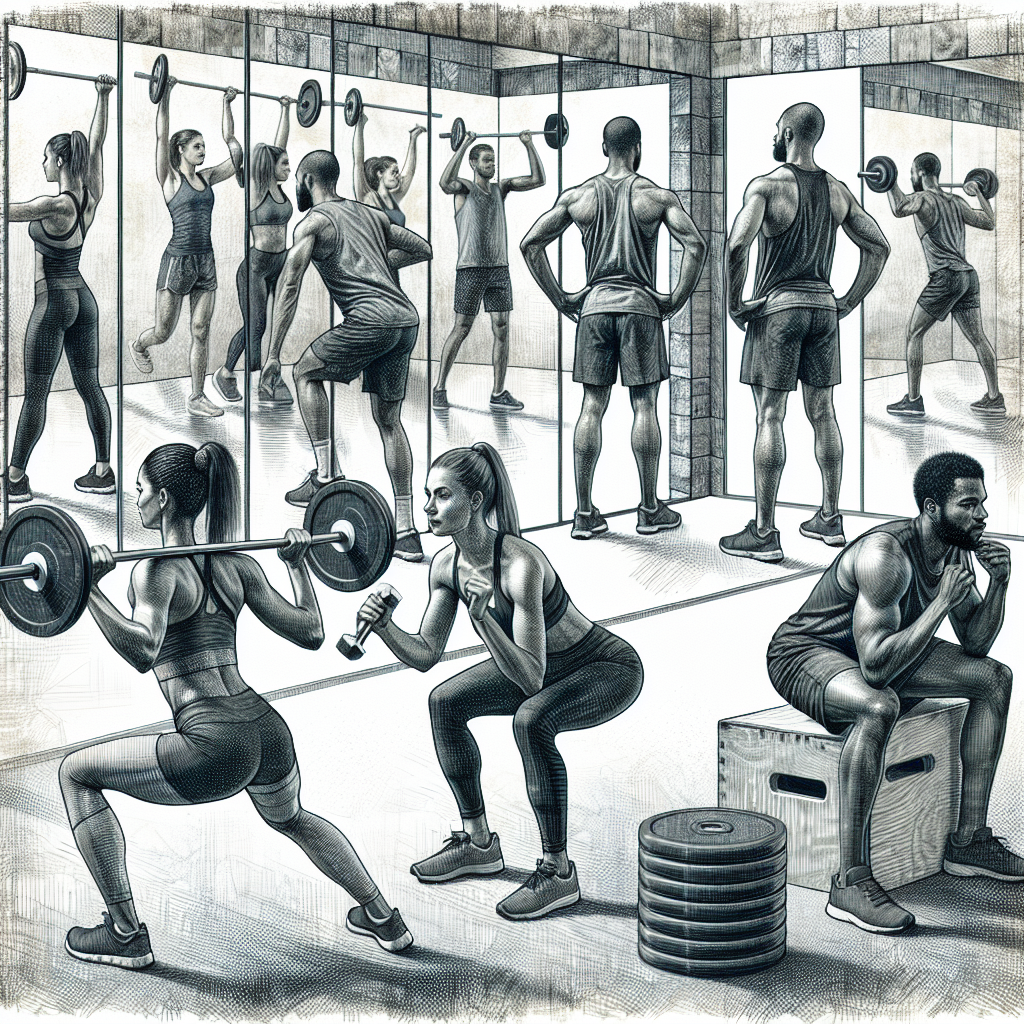
Lift, Don’t Just Cardio: Recompose Your Body

Why Strength Training—Not Cardio—Is the Key to Lasting Weight Loss
The science is clear: if you want to lose fat and keep it off, it's time to pick up the weights.
---
We've all been there. You decide it's time to lose weight, so you lace up your running shoes, hop on the treadmill, and commit to hours of cardio each week. The scale eventually moves, but something feels off. You're lighter, yes—but you don't look or feel much stronger. Maybe you're even more tired than before.
Here's the uncomfortable truth that the fitness industry often glosses over: not all weight loss is created equal.
A pound lost from fat is metabolically very different from a pound lost from muscle. And new research confirms what strength coaches have long suspected—the type of exercise you prioritize during a calorie deficit dramatically shapes the quality of your results.
---
The Study That Changes Everything
A compelling study compared three groups of participants, all following similar calorie-restricted diets:
1. Resistance training group
2. Aerobic exercise group
3. No exercise group
The results were striking.
Only the resistance training group achieved true body recomposition—losing significant fat while gaining approximately 1.8 to 2 pounds of lean muscle. Men in this group dropped 15 to 20 pounds total, while women lost 11 to 15 pounds. But here's the crucial difference: nearly all of that lost weight came from fat, not muscle.
The aerobic group? They preserved some muscle tissue, but half of the participants still experienced a net loss of lean mass.
The no-exercise group fared worst of all. They lost muscle at nearly three times the rate of the resistance training group. In men, over 30% of their total weight loss came from lean tissue—not fat.
Let that sink in. One-third of their "progress" was their body cannibalizing the very tissue that keeps metabolism humming.
---
Why Muscle Matters More Than the Scale
Here's why losing muscle is such a problem: muscle is metabolically expensive tissue. It burns calories around the clock, even while you sleep. When you lose muscle, your resting metabolic rate drops. This means your body requires fewer calories to maintain its new weight.
The result? A frustrating cycle many dieters know all too well:
- You lose weight (including muscle)
- Your metabolism slows
- You eventually return to normal eating
- The weight comes back—often as fat
- You're now "skinny fat" with a slower metabolism than before
This is why so many people experience rebound weight gain after dieting. They didn't just lose fat; they lost the metabolic engine that helps keep fat off.
Resistance training breaks this cycle by preserving—and even building—muscle during a deficit.
---
The Two Non-Negotiables for Success
The study identified two critical factors that made strength training so effective:
1. Progressive Overload
This simply means gradually increasing the challenge on your muscles over time. Adding more weight to the bar. Performing an extra rep. Reducing rest time. Your body adapts to stress, so you must continually provide a new stimulus to keep building strength.
This doesn't mean you need to lift dangerously heavy weights from day one. It means showing up consistently and pushing slightly beyond what you did last week.
2. Calibrated Protein Intake
Muscle doesn't build itself from nothing. You need adequate protein to support muscle preservation and growth—especially when eating in a calorie deficit when your body is already under metabolic stress.
Most research suggests aiming for 0.7 to 1 gram of protein per pound of body weight during fat loss phases. This ensures your muscles have the raw materials they need to repair and grow, even while your overall calories are reduced.
---
What About Cardio?
Before you swear off the treadmill entirely, let's be clear: cardio isn't the enemy. It supports cardiovascular health, improves endurance, and can help create a calorie deficit.
But it shouldn't be your primary fat-loss tool.
Think of cardio as a complement to strength training, not a replacement. Strategic approaches like High-Intensity Interval Training (HIIT) can provide cardiovascular benefits in less time while minimizing muscle loss. A few sessions per week—rather than daily hour-long runs—strikes the right balance.
The goal is to use cardio as a tool, not a crutch.
---
Rethinking "Weight Loss"
Perhaps it's time we retired the phrase "weight loss" altogether. What most of us actually want is fat loss—to look leaner, feel stronger, and maintain a healthy metabolism for years to come.
The scale can't distinguish between a pound of fat and a pound of muscle. But your mirror can. Your energy levels can. Your long-term metabolic health certainly can.
When you prioritize strength training during a calorie deficit, you're not just losing weight. You're reshaping your body composition, protecting your metabolism, and setting yourself up for sustainable results.
---
The Bottom Line
If your current approach to weight loss involves hours of cardio and minimal resistance training, consider flipping the script:
- Prioritize strength training 3 to 4 times per week
- Focus on progressive overload—gradually increase weights, reps, or intensity
- Eat adequate protein to fuel muscle preservation and growth
- Use cardio strategically as a supplement, not the main event
- Measure progress beyond the scale—track how your clothes fit, your strength gains, and how you feel
This isn't about achieving quick results that fade just as quickly. It's about building a body that's metabolically resilient, strong, and sustainable.
---
Your Turn
Have you noticed a difference in your results when prioritizing strength training over cardio? Or are you just starting to explore resistance training for the first time?
Drop a comment below and share your experience. And if this post shifted your perspective on weight loss, pass it along to someone who might benefit from rethinking their approach.
The weights are waiting.