5-Week Strength Base Plan for Stronger Running
Build Your Running Foundation: A 5-Week Strength Plan That Actually Works
There's a moment every runner knows well—that feeling when your legs start to fade, your form begins to crumble, and suddenly each mile feels twice as long as the last.
For years, I thought the answer was simply more miles. More tempo runs. More long runs on Sunday mornings. But here's what I wish I'd learned sooner: the secret to running stronger isn't always found on the road. Sometimes, it's built in the gym.
Strength training for runners isn't about bulking up or spending hours lifting heavy weights. It's about creating a resilient body that can handle the repetitive demands of running—mile after mile, week after week. And it all starts with building a proper foundation.
---
Why Runners Need Strength Training
Let's talk numbers for a moment. When you run, each foot strike generates forces of 2-3 times your body weight. Over the course of a single mile, that's thousands of impacts your muscles, tendons, and joints need to absorb.
Without adequate strength, your body compensates. Your hips drop. Your knees cave inward. Your stride shortens. These small inefficiencies compound over time, leading to fatigue, decreased performance, and often, injury.
A well-designed strength program addresses these issues at their source by:
- Building muscular endurance to maintain form during long runs
- Improving joint stability to reduce injury risk
- Enhancing running economy so you use less energy at any given pace
- Correcting muscle imbalances that develop from the repetitive nature of running
The goal isn't to become a powerlifter. It's to become a more durable, efficient runner.
---
The 5-Week Strength Base Plan: An Overview
This program is designed specifically for runners who are new to strength training or returning after time away. It prioritizes movement quality over load, building the technical foundation you'll need for more advanced training down the road.
The Structure:
- Duration: 5 weeks
- Frequency: 2 sessions per week
- Exercises per session: 4-6 movements
- Focus areas: Lower body strength, plyometrics, core stability, and upper body balance
The Progression:
- Week 1: 2 sets of 8 reps (learning phase)
- Weeks 2-3: 2-3 sets of 8-10 reps (building phase)
- Weeks 4-5: 3 sets of 10 reps (consolidation phase)
This gradual progression allows your muscles, tendons, and nervous system to adapt without overwhelming your recovery capacity—especially important when you're maintaining your running volume.
---
The Six Essential Movement Patterns
Every exercise in this program falls into one of six fundamental movement categories. Master these patterns, and you'll have the tools to build strength for life.
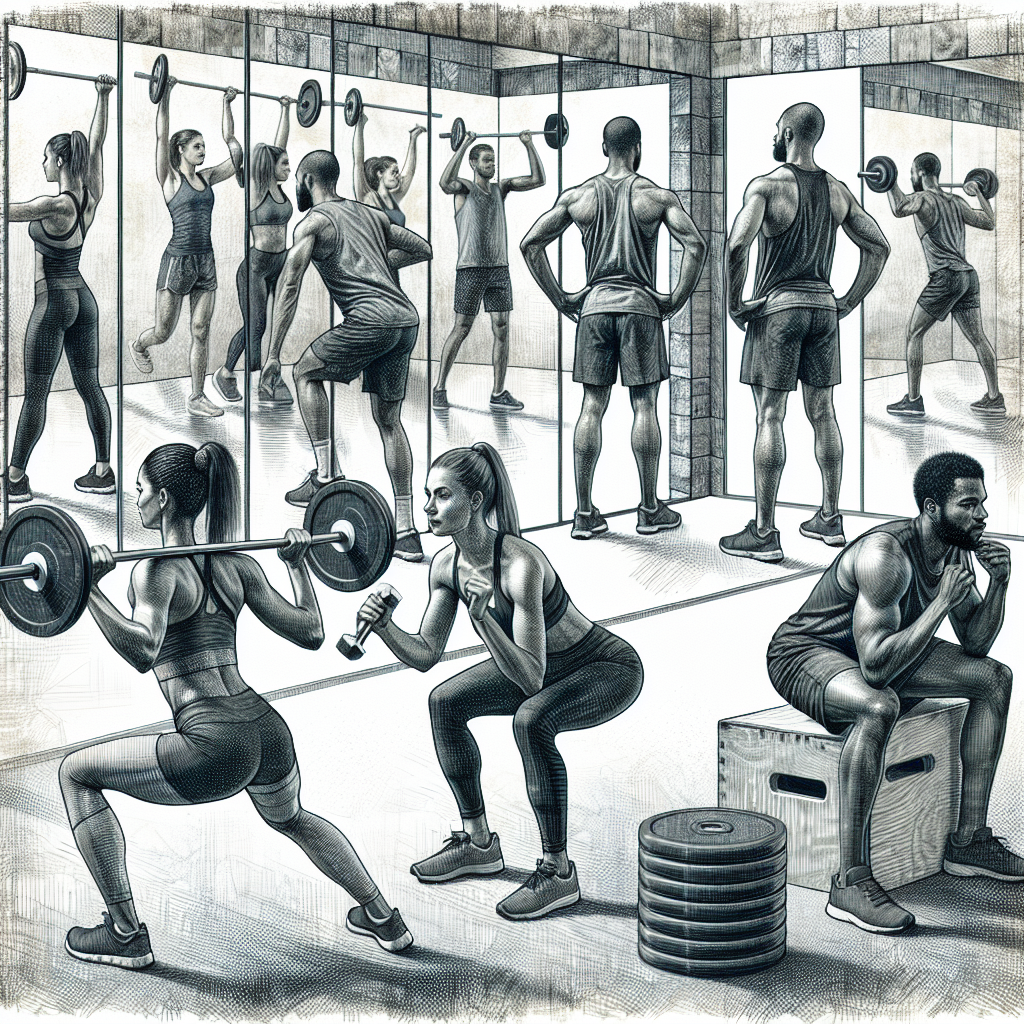
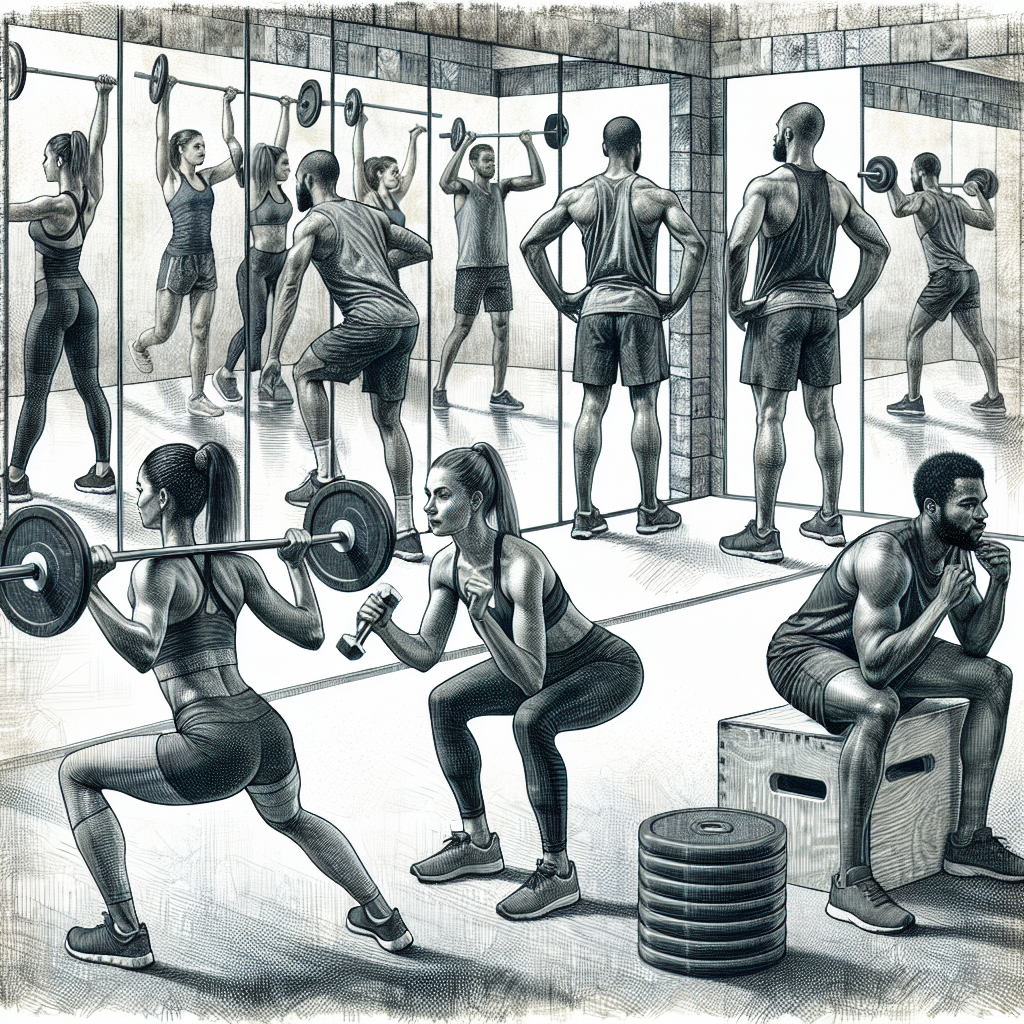
1. Squats
The foundation of lower body strength. Squats target your quadriceps, glutes, and core while mimicking the demands of uphill running and powerful push-offs.
Exercises: Bodyweight squat → Goblet squat → Barbell back squat
2. Hip Hinges
These movements strengthen your posterior chain—the glutes, hamstrings, and lower back that power you forward with each stride.
Exercises: Romanian deadlift → Conventional deadlift → Single-leg deadlift
3. Lunges
Unilateral (single-leg) movements that address imbalances and build the single-leg stability crucial for running.
Exercises: Reverse lunge → Lateral split squat → Walking lunge
4. Step-Ups
Functional strength that directly translates to climbing hills and maintaining power through the late stages of a race.
Exercises: Box step-up → Box step-off → Weighted step-up
5. Upper Body Push/Pull
While running is primarily a lower body activity, your arms drive your pace and your upper back maintains posture when fatigue sets in.
Exercises: Push-ups, bent-over rows, single-arm dumbbell rows
6. Core Bracing and Rotation
A strong, stable core transfers power efficiently between your upper and lower body and protects your spine from rotational stress.
Exercises: Plank variations, dead bugs, Pallof press, bird dogs
---
Sample Workouts
Day 1: Squat and Lunge Focus
Warm-Up (5-10 minutes)
- Light cardio (jogging, cycling, or jump rope)
- Dynamic stretches: leg swings, hip circles, walking lunges, high knees
Main Workout
| Exercise | Sets x Reps | Notes |
| Goblet Squat | 2-3 x 8-10 | Focus on depth and knee tracking |
| Lateral Split Squat | 2-3 x 8-10 per leg | Control the descent |
| Box Step-Up | 2-3 x 8 per leg | Drive through the heel |
| Single-Leg Glute Bridge | 2 x 10 per leg | Squeeze at the top |
| Plank | 2 x 30-45 seconds | Maintain neutral spine |
Progression: By weeks 4-5, advance to barbell back squats and add load to lunges.
---
Day 2: Hinge and Power Focus
Warm-Up (5-10 minutes)
- Light cardio
- Dynamic stretches: hip hinges, leg swings, inchworms, glute activation
Main Workout
| Exercise | Sets x Reps | Notes |
| Standing Broad Jump | 2-3 x 6 | Land softly, reset between reps |
| Deadlift (trap bar or barbell) | 2-3 x 5-8 | Hinge at hips, flat back |
| Reverse Lunge | 2-3 x 8-10 per leg | Step back with control |
| Bent-Over Row | 2-3 x 8-10 | Squeeze shoulder blades together |
| Dead Bug | 2 x 10 per side | Keep lower back pressed to floor |
Note: The plyometric movement (broad jump) comes first when you're freshest, maximizing power development while minimizing injury risk.
---
Keys to Success: Technique Over Ego
Here's where many runners go wrong with strength training: they treat it like a competition.
The goal of this base phase isn't to lift the heaviest weight possible. It's to ingrain proper movement patterns that will serve you for years to come. When in doubt, choose a lighter load and execute with perfect form.
Three technique priorities:
1. Posture: Maintain a neutral spine throughout each movement. Your chest stays proud, your shoulders stay back, and your core stays engaged.
2. Controlled Tempo: Use a 2-1-2 tempo—two seconds down, one-second pause, two seconds up. This eliminates momentum and ensures your muscles do the work.
3. Full Range of Motion: Partial reps build partial strength. Squat to full depth. Lunge until your back knee nearly touches the ground. Own every inch of the movement.
---
Progression Tips for Every Level
If you're a complete beginner:
Start with bodyweight only. There's no shame in mastering the basics before adding load. A perfect bodyweight squat will serve you better than a sloppy weighted one.
If you have some experience:
Begin with light dumbbells and progress to barbells as your technique solidifies. If you're not experiencing excessive soreness 24-48 hours post-workout, you can gradually increase the load.
For everyone:
Listen to your body. This program should complement your running, not compromise it. If you're dragging through runs or experiencing unusual fatigue, scale back the intensity or add an extra rest day.
---
What Comes Next
This 5-week base phase is just the beginning. Think of it as laying the concrete foundation before building a house.
Once you've established sound movement patterns and built initial strength, you'll be ready to progress to:
- Strength Endurance Phase: Higher reps, shorter rest periods, circuit-style training
- Power Development Phase: Explosive movements, Olympic lift variations, advanced plyometrics
- Race Taper Phase: Reduced volume while maintaining intensity to arrive at the starting line fresh and strong
Each phase builds on the last, creating a comprehensive system that supports your running goals year-round.
---
The Bottom Line
Strength training isn't a distraction from your running—it's an investment in it. The time you spend in the gym now pays dividends in every mile you run later: better form when you're tired, more power on the hills, and fewer days lost to injury.
The best part? You don't need a fancy gym or expensive equipment. A few dumbbells, a bench or box, and the commitment to show up twice a week is all it takes to transform your running from the inside out.
Start where you are. Progress at your own pace. Trust the process.
Your stronger, more resilient running self is waiting on the other side of these five weeks.
---
Have you incorporated strength training into your running routine? What exercises have made the biggest difference for you? Drop a comment below—I'd love to hear about your experience and answer any questions about the program.
If you found this helpful, share it with a running buddy who could use a strength boost!