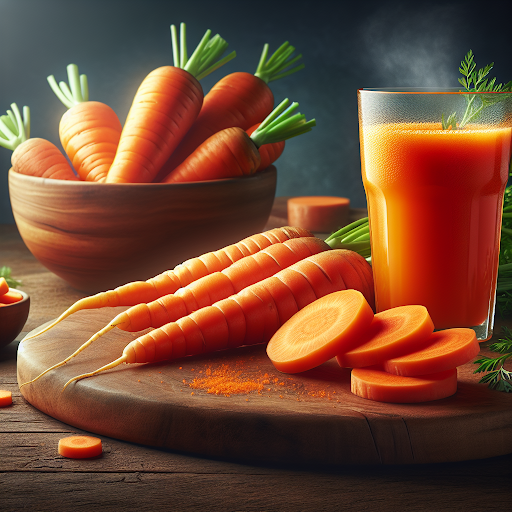
8 Proven Health Benefits of Carrots
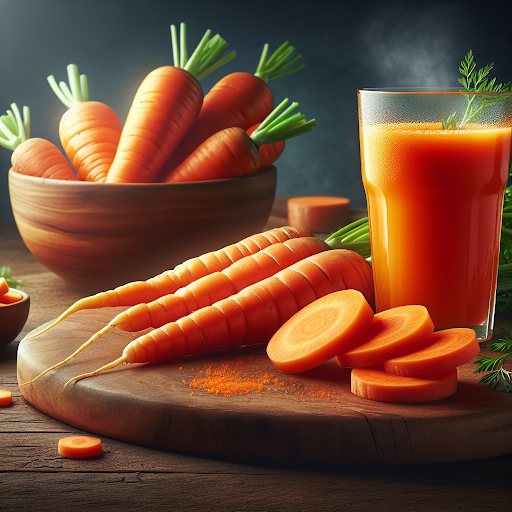
The Humble Carrot: 8 Science-Backed Reasons This Crunchy Veggie Deserves a Spot on Your Plate
Sometimes the most powerful superfoods aren't exotic berries from distant rainforests—they're sitting right in your refrigerator's crisper drawer.
Let's talk about carrots.
Yes, those bright orange vegetables you've been munching on since childhood. The ones your parents promised would help you see in the dark. The reliable, affordable, always-available root vegetable that rarely gets the spotlight it deserves.
Here's the thing: science is proving that carrots aren't just a convenient snack. They're a nutritional powerhouse hiding in plain sight.
---
What's Actually Inside a Carrot?
Before we dive into the benefits, let's look at what we're working with. One medium carrot—that's about 61 grams, roughly the size of your hand—contains:
- 25 calories (yes, really)
- 6 grams of carbohydrates
- 2 grams of fiber
- Over 100% of your daily vitamin A needs
- Plus vitamins C and K, potassium, and powerful antioxidants like lutein and zeaxanthin
For something so simple and inexpensive, that's a remarkable nutritional return on investment.
---
8 Evidence-Based Benefits That Might Surprise You
1. They Actually *Do* Support Eye Health
Your parents weren't completely wrong about the vision thing—they just oversimplified it.
Carrots won't give you superhuman night vision, but they're genuinely protective for your eyes. The beta-carotene, lutein, and zeaxanthin in carrots work together to shield your eyes from age-related damage. A 2016 study found that higher carrot intake was associated with a 60% lower risk of age-related macular degeneration—the leading cause of vision loss in older adults.
That's not folklore. That's science.
2. They Give Your Immune System Real Support
One medium carrot delivers your entire daily requirement of vitamin A, a nutrient essential for producing immune cells. Combined with anti-inflammatory antioxidants, carrots help your body's defense system function at its best.
During cold and flu season, that daily carrot might be doing more work than you realize.
3. They're Heart-Healthy Heroes
Potassium helps regulate blood pressure. Fiber helps lower cholesterol. Put them together, and you've got a vegetable that genuinely supports cardiovascular health.
A 2020 review of multiple studies found that regular carrot consumption was consistently linked to reduced cardiovascular risk. Sometimes the simplest interventions are the most effective.
4. They Keep Things Moving (Digestively Speaking)
Let's be honest—we don't talk about digestive health enough. Carrots are rich in insoluble fiber, particularly pectin, which prevents constipation and feeds the beneficial bacteria in your gut.
A healthy gut affects everything from mood to immunity. Carrots help keep that ecosystem thriving.
5. They May Help Manage Blood Sugar
Here's where it gets interesting. Despite containing natural sugars, carrots have a low glycemic index. Their soluble fiber slows sugar absorption, preventing the spikes and crashes that leave you reaching for the candy drawer.
Animal studies have also shown that the alpha- and beta-carotene in carrots may improve insulin sensitivity—though more human research is needed to confirm this.
6. They Support Sustainable Weight Management
At 25 calories per carrot, with high fiber and water content that promotes fullness, carrots are practically designed for weight management. Cohort studies consistently link vegetable intake—carrots included—to lower BMI over time.
No gimmicks. No restrictions. Just a satisfying, crunchy vegetable that keeps you full.
7. They Protect Your Skin From the Inside Out
The antioxidants in carrots help shield your skin from UV damage, while vitamin C supports collagen production. One small study even found that beta-carotene reduced sun sensitivity in participants.
Think of carrots as an internal supplement to your external sunscreen routine.
8. They Show Promise in Cancer Prevention
This one comes with caveats—the research is preliminary, mostly from lab and animal studies. But compounds like falcarinol in carrots have demonstrated anti-cancer potential, including the ability to inhibit colon cancer cells.
We're not calling carrots a cure. But as part of a balanced diet, they may contribute to long-term cancer risk reduction.
---
How to Get More Carrots Into Your Life
The beauty of carrots is their versatility. Here are some ideas:
Raw: Classic carrot sticks with hummus, sliced into salads, or shredded into slaws
Cooked: Roasted with olive oil and herbs, added to soups and stews, or pureed into sauces
Juiced: Blended with ginger and apple for a refreshing morning drink
Unexpected: Grated into oatmeal, baked into muffins, or spiralized as a pasta alternative
Pro tip: Cooking carrots actually increases beta-carotene absorption, though it may reduce some heat-sensitive nutrients. The solution? Eat them both ways throughout the week.
For maximum benefit, aim for 1-2 cups daily and experiment with different varieties. Purple, yellow, and red carrots exist—each with their own unique antioxidant profiles.
---
A Quick Word of Caution
Can you overdo it with carrots? Technically, yes.
Consuming excessive amounts (think 10+ carrots daily for extended periods) can cause carotenemia—a harmless condition where your skin takes on an orange tint. It reverses once you reduce intake, but it's a good reminder that balance matters even with healthy foods.
Additionally, if you're on blood thinners, be mindful of the vitamin K content and maintain consistent intake.
---
The Bottom Line
Carrots aren't a miracle cure, and anyone who tells you otherwise is selling something. But they are a remarkably nutritious, affordable, accessible vegetable with genuine, research-backed health benefits.
In a world of complicated wellness trends and expensive supplements, there's something refreshing about a simple orange vegetable that just... works.
Maybe it's time to give carrots the respect they've earned.
---
What's your favorite way to eat carrots? Are you a raw-and-crunchy purist, or do you prefer them roasted until caramelized? Drop your go-to carrot recipe in the comments—I'm always looking for new ideas.
If this post changed how you think about this humble vegetable, share it with someone who could use a simple, science-backed addition to their diet.