Incline Walking vs Running: Which Wins for Fitness?
Incline Walking vs. Running: Which Cardio Workout Actually Delivers Better Results?
The treadmill debate has officially been settled—sort of.
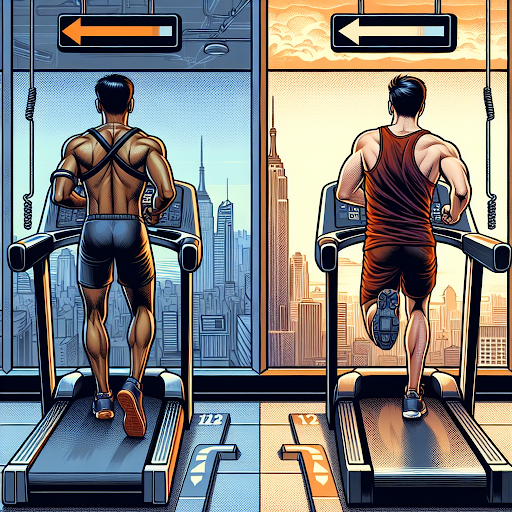
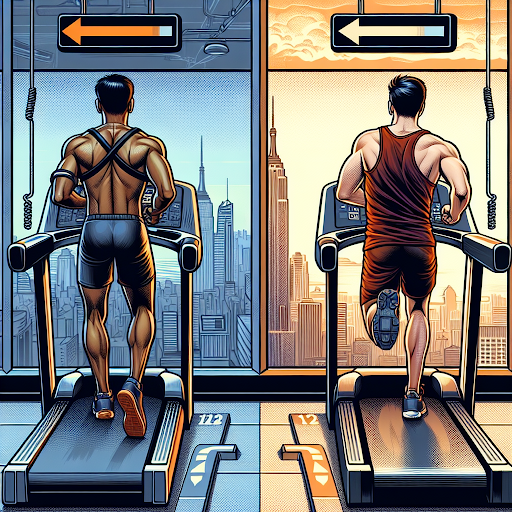
If you've scrolled through TikTok or Instagram recently, you've probably encountered the viral 12-3-30 workout: walking at a 12% incline, 3 mph, for 30 minutes. It's been praised as a game-changer for fitness, promising impressive results without the pounding intensity of running.
But here's the question everyone's really asking: Is incline walking actually better than running, or is it just another fitness trend destined to fade?
The answer, as it turns out, depends entirely on what you're trying to achieve. Let's break it down.
---
The Case for Incline Walking
It Builds Muscle Where Running Can't
Here's something that might surprise you: incline walking is actually superior for building lower-body muscular endurance.
When you walk uphill—especially at inclines between 5-10%—you create sustained tension in your glutes, hamstrings, and calves. This prolonged engagement is exactly what muscles need to grow stronger and more defined. Add a weighted vest to the equation, and you've essentially turned your cardio session into a hybrid strength workout.
Running, by contrast, relies on quick, repetitive movements that prioritize cardiovascular endurance over muscle building. While it certainly engages your legs, it doesn't provide the same glute activation or sustained resistance that incline walking delivers.
Your Joints Will Thank You
Perhaps the most compelling argument for incline walking? It's dramatically easier on your body.
Running is high-impact by nature. Every stride sends force through your knees, hips, and lower back—sometimes up to three times your body weight. Over time, this can lead to overuse injuries, joint pain, and the need for extended recovery periods.
Incline walking eliminates most of that stress. It's low-impact, making it ideal for:
- Individuals with existing joint issues or injuries
- Those carrying extra weight
- Beginners just starting their fitness journey
- Anyone who wants to exercise consistently without breaking down their body
If longevity in your fitness routine matters to you, incline walking offers a sustainable path forward.
It's Surprisingly Effective for Fat Loss
Here's where the science gets interesting.
A study published in the International Journal of Exercise Science found that incline walking burns approximately 40% of its calories from fat, compared to just 33% for running. While running does burn more total calories per minute (~13 kcal/min vs. ~10 kcal/min), incline walking's higher fat-burning percentage makes it particularly effective for body composition goals.
More importantly, incline walking is sustainable. You can do it daily without accumulating the fatigue that running creates. Consistency, after all, is the real key to lasting results.
---
The Case for Running
Unmatched Calorie-Burning Efficiency
If time is your most precious resource, running wins this category decisively.
Running burns approximately 13 calories per minute compared to incline walking's 10 calories per minute. To put this in perspective: you can achieve the same caloric burn in 23 minutes of running that takes 30 minutes of incline walking.
For busy professionals, parents, or anyone squeezing workouts into packed schedules, that seven-minute difference adds up significantly over weeks and months.
Superior Cardiovascular Conditioning
Running pushes your cardiovascular system harder than incline walking, making it the better choice if you're training for performance goals—whether that's completing a 5K, improving your VO2 max, or building serious aerobic capacity.
The intensity of running creates adaptations that incline walking simply can't replicate at the same pace.
---
A Side-by-Side Comparison
Muscle Building
Incline Walking Wins - Superior glute activation, sustained tension, pairs well with strength training
Weight Loss (Efficiency)
Running Wins - Burns more calories per minute, faster sessions
Joint Health
Incline Walking Wins - Low-impact, significantly less stress on knees and back
Sustainability
Incline Walking Wins - Easier to maintain daily without excessive fatigue
Time Efficiency
Running Wins - Achieves comparable results in less time
---
So, Which Should You Choose?
The honest answer: it depends on your goals, your body, and your lifestyle.
Choose incline walking if you:
- Prioritize joint health and injury prevention
- Want to build lower-body strength alongside cardio
- Are a beginner or returning to fitness after a break
- Prefer workouts you can sustain daily without burnout
- Have access to a treadmill or walking pad at home
Choose running if you:
- Need maximum calorie burn in minimum time
- Are training for a race or performance goal
- Recover quickly and can handle high-impact exercise
- Enjoy the mental clarity that running provides
Pro tip from personal trainers: If you're new to incline walking, don't jump straight to 12%. Start at 4% incline for 10-15 minutes and gradually progress. Your body will adapt, and you'll reduce the risk of calf strain or Achilles issues.
---
The Real Winner? Consistency
Here's the truth that fitness content often overlooks: the best workout is the one you'll actually do.
If running feels like punishment, you won't stick with it—no matter how efficient it is. If incline walking feels manageable and even enjoyable, you'll show up day after day. And showing up consistently will always beat sporadic bursts of intensity.
Both incline walking and running are effective tools. The key is matching the tool to your unique circumstances.
---
Your Turn
I'd love to hear from you: Are you team incline walking or team running? Have you tried the 12-3-30 workout, and if so, what results have you experienced?
Drop your thoughts in the comments below—and if this post helped clarify your cardio strategy, share it with someone who's been stuck in the treadmill debate too.