Fibre-Rich Soups: Easy Ways to Eat More Fibre
You may have heard that fibre is worth paying attention to, but another desk salad is not appealing and a long cooking session is not realistic. A pot of soup can be a gentler route. It is one pan, easy to batch, and a good place to hide a lot of beans and vegetables.
What Everyday Health found
In its feature “7 Best Soups for Fibermaxxing”, Everyday Health names seven fibre-rich soups and shares dietitian tips for boosting them. The figures use US cup measures. The picks are:
Black bean soup: one cup of canned black beans has about 17 grams of fibre.
Lentil soup: one cup of cooked lentils has about 16 grams.
Vegetable soup: tomatoes, carrots, squash, peas, potatoes and leafy greens such as spinach all fit.
Chicken noodle soup made with chickpea pasta: the chickpea pasta replaces refined wheat noodles.
Minestrone: the beans and vegetables contribute fibre, and wholewheat or chickpea pasta can replace refined white noodles.
Indian dal: another lentil-based option.
Beef and barley soup: cooked barley provides about 6 grams of fibre per cup, and the article links barley with improvements in blood pressure and cholesterol.
The dietitians quoted in the piece boil their advice down to three habits: use plenty of beans, mix your vegetables (frozen ones count), and swap refined noodles for chickpea or wholewheat pasta. It is a practical food feature rather than a research paper, so treat it as a source of ideas, not proof of any particular health result.
Why it matters for a busy week
Most of us do not need a new eating plan. We need meals that are easy to repeat. Soup suits that well because it brings together three fibre sources the article highlights, beans, whole grains and vegetables, in one pot. Once you have made it, a few portions can wait in the fridge or freezer for the evenings when cooking feels like too much.
It is also forgiving. The article's vegetable soup list is broad, and frozen vegetables are fair game, so you can use what is already in the house rather than planning a special shop. That makes it a habit you can keep up without much effort, which matters more than getting any single meal perfect.
How to try it
Pick one of these and see how it fits your week:
Build around beans or lentils. Make a black bean or lentil soup, or cook a dal. These are the two foods in the article with the clearest fibre numbers per cup.
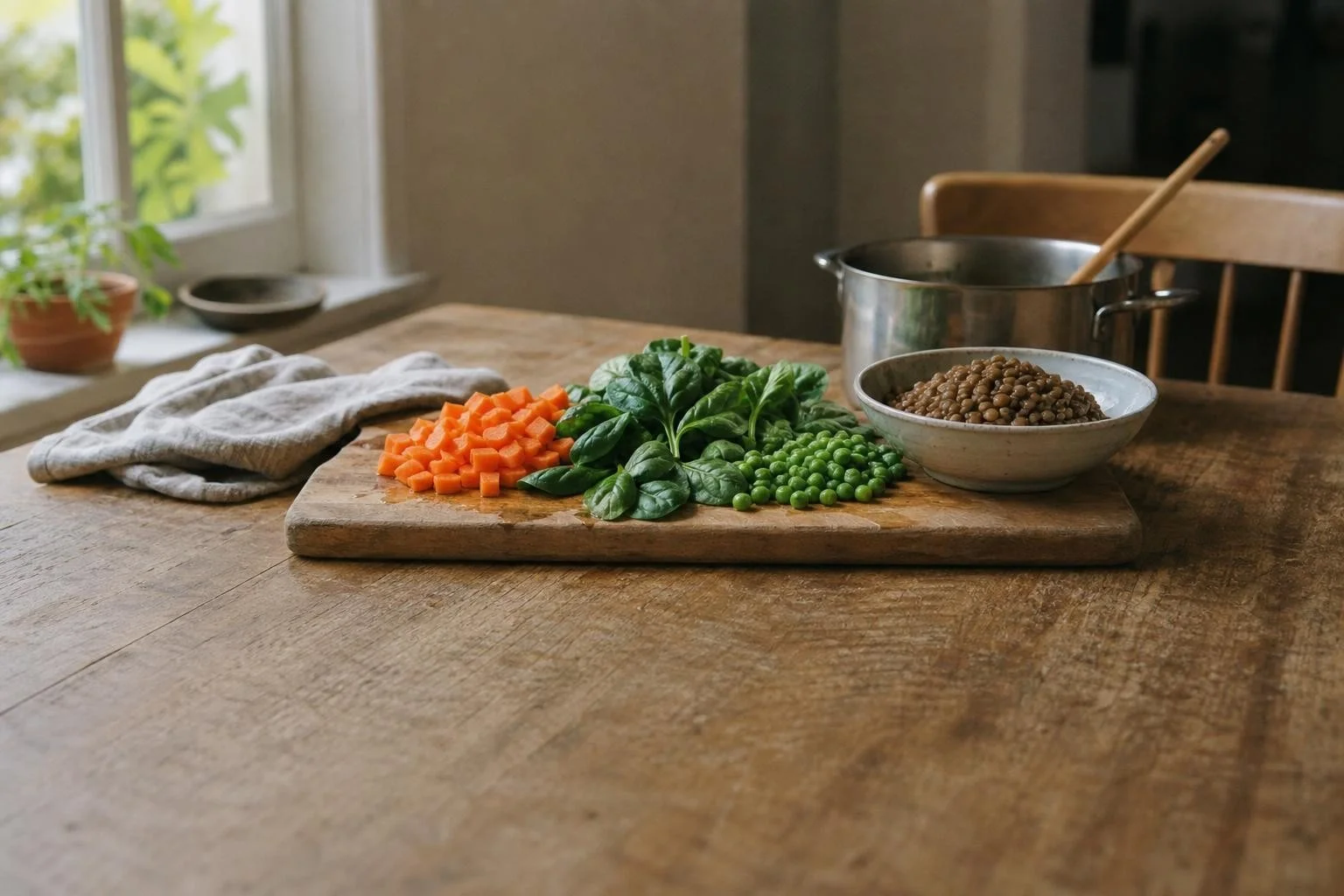
Mix your vegetables. Use two or three kinds, such as carrots, peas and a handful of spinach. A bag of frozen vegetables works well when fresh ones are not to hand.
Swap the noodles. In chicken noodle soup or minestrone, use chickpea or wholewheat pasta instead of refined white pasta or noodles.
Try barley. A beef and barley soup is a hearty option if you like something more filling.
Make extra. Cook a bigger pot and keep a few portions for later in the week.
Beginner option: you do not need a new recipe. Take a soup you already make or buy, then change one thing. Stir in a handful of frozen vegetables, add a can of beans, or use chickpea pasta next time.
If you want to pair your soup with other ideas for eating well on a busy schedule, our guide to 8 Power Foods to Build More Muscle in 2026 has useful ingredients to build around. And since leafy greens are on the vegetable soup list, Kale for Winter: What Dietitians Say About Immune Support offers another way to use them.
One honest caveat
Not every soup is a fibre win. The article is clear that chicken noodle soup made with refined wheat noodles is not especially high in fibre, which is why the pasta swap matters. The figures quoted are also approximate, and they depend on the product or recipe you use.
The article does not say who should avoid these soups or change how they eat them. If you have a digestive condition or another health condition, or you are unsure how a change would suit you, check with your doctor, GP or a registered dietitian first. If you are not used to eating many beans and lentils, you may prefer to build up at your own pace.
Your next step
This week, choose one soup and make it your own. Maybe it is a black bean or lentil soup, a pot of dal or a minestrone. Add a mix of vegetables, and use chickpea or wholewheat pasta if the recipe calls for noodles. Make enough for a second meal, and notice how easy it feels to repeat.
Want a plan that fits a busy week? Get the free 3×30 Strength Week and join the Fitizens.