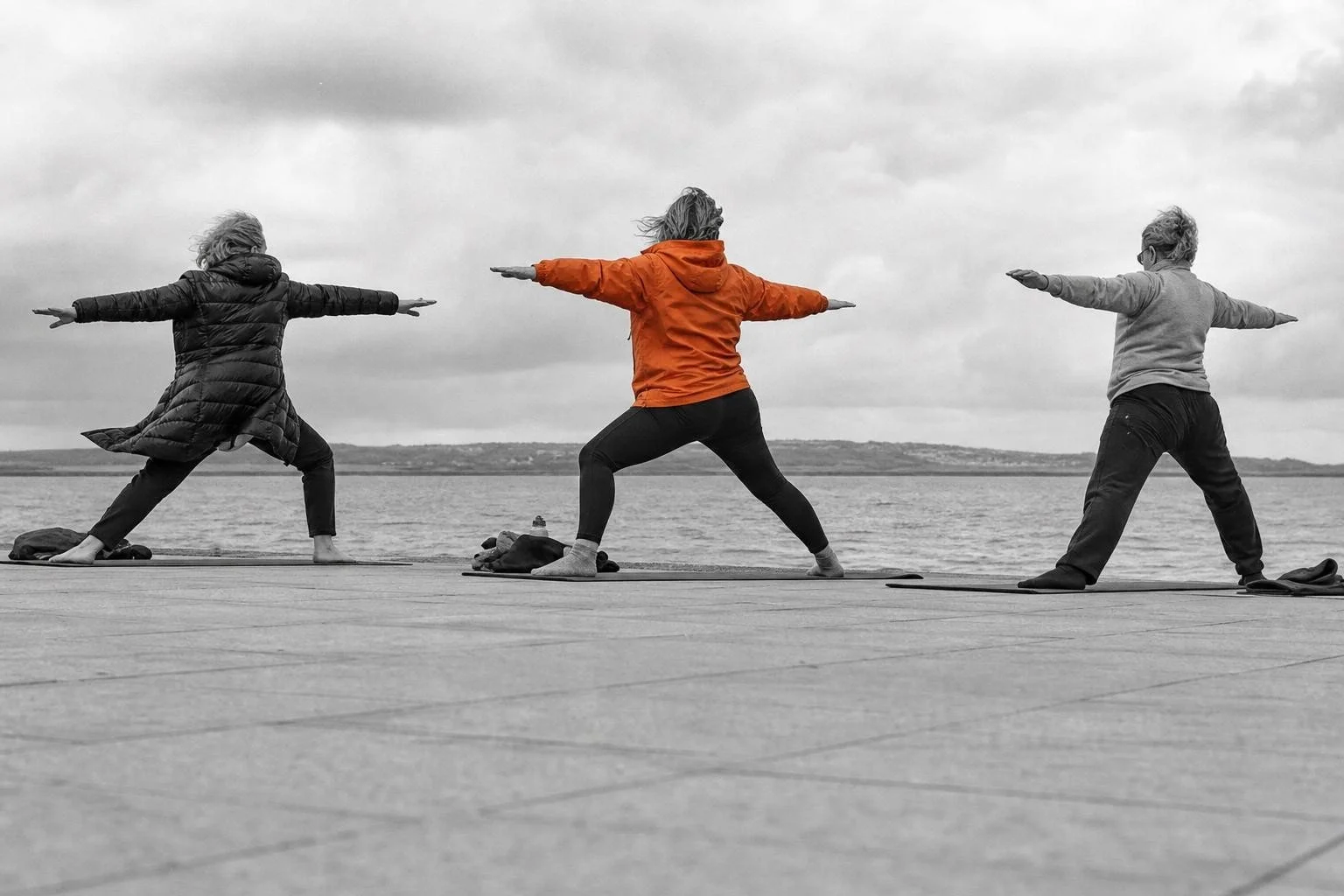
Yoga Twice a Week: The Sleep Boost Under 30 Minutes
You have tried the sensible things: screens down earlier, a cooler bedroom, less late-night scrolling. Yet some nights sleep still feels out of reach, and the last thing a busy week needs is another big commitment. New research suggests a short, familiar habit may be worth a try.
What the research found
According to a report by the Futura Team at Futura-Sciences, researchers at Harbin Sport University in China pooled 30 randomised controlled trials from about a dozen countries. The trials included more than 2,500 adults of all ages who had sleep disturbances. The analysis was published in Sleep and Biological Rhythms in July 2025.
Few studies had tested different types of exercise head to head, so the team used a network meta-analysis, which compares interventions indirectly. In that ranking, yoga came first, followed by walking, resistance training and aerobic exercise.
The best-ranked prescription was high-intensity yoga for under 30 minutes, twice a week. Positive results appeared in as few as 8 to 10 weeks. Earlier studies mentioned in the report had also found benefits from sessions of up to 60 minutes.
Why it matters for a busy reader
Most exercise advice asks for more time than a working week allows. This finding points the other way: two sessions, each under 30 minutes, is a modest ask. That is the kind of routine most of us can protect on a normal week, not just a quiet one.
It is also a useful reminder that a weekly routine can do more than one job. Every type of exercise in the review, from yoga to walking, resistance training and aerobic work, ranked as helpful for sleep in people with sleep problems. So if you already lift or do conditioning sessions, you are not starting from zero. Adding a short yoga session alongside them is one way to round out your week, and it may help your sleep too.
Consistency matters more than perfection here. Two short sessions you actually do beat an ambitious plan you drop by Thursday.
How to try it
Treat this as a small experiment over the next couple of months, since the studies saw results at around 8 to 10 weeks.
Pick two slots. Choose two days and write them in your diary, as you would a meeting. Keep each session under 30 minutes.
Choose a style with some effort in it. The top-ranked prescription specified high intensity. Yoga styles vary widely, so look for a flowing, more energetic class or video, not only a gentle stretch.
Pair it with what you already do. If you do strength sessions, try a short yoga session on a different day. Our Resistance Training for Beginners guide is a good starting point if you want to build that side of your week too.
Keep a simple sleep note. Jot down how you slept once a week. You are looking for a gentle trend over several weeks, not a perfect night.
Beginner option: start with around 15 to 20 minutes at a pace that feels comfortable and build up gradually. Follow a beginner video, move within your own range and stop if anything hurts. Effort should feel challenging but manageable, never strained.
If yoga is not for you: walking also ranked well in the review, and the report suggests walking is a better choice than doing nothing. If you like the idea of making it a little harder, our guide to incline walking vs running shows how to vary it.
One honest caveat
This is promising, but it is not settled. The ranking relies on indirect comparisons rather than direct tests of one exercise against another, and the authors urge caution and say more high-quality research is needed to confirm the findings. Yoga is also hard to classify, because intensity differs so much between styles. Long-term effects remain poorly studied.
The evidence is not fully consistent either. A 2023 meta-analysis mentioned in the report favoured aerobic or moderate exercise three times a week. Arsenio Páez of Concordia University said responses may differ from person to person and called for more research into differences between men and women. Justin Thomas of the University of Alabama at Birmingham pointed out that exercise can raise cortisol, and said walking remains an option for people for whom yoga does not suit.
In short, the best exercise for your sleep may be the one that suits you. If you live with chronic insomnia, or a health condition that could affect how you exercise, talk to your doctor or GP before changing your routine.
Your next step
This week, book two sessions of under 30 minutes, whether that is yoga or the nearest thing you will genuinely enjoy. Do them for a few weeks, notice how you sleep and adjust from there. Small and steady is the point.
Want a plan that fits a busy week? Get the free 3×30 Strength Week and join the Fitizens.