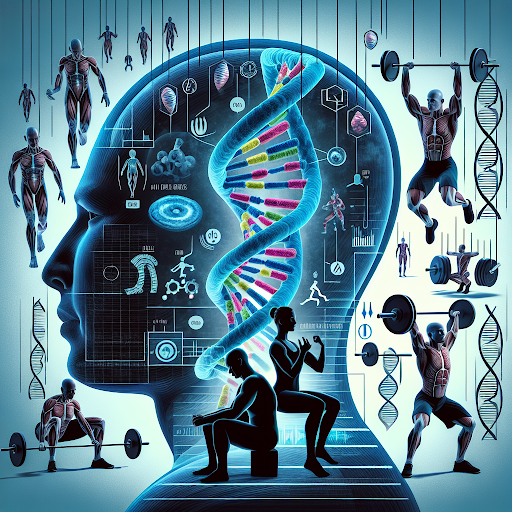
Strength Training May Cut Biological Aging 4 Years
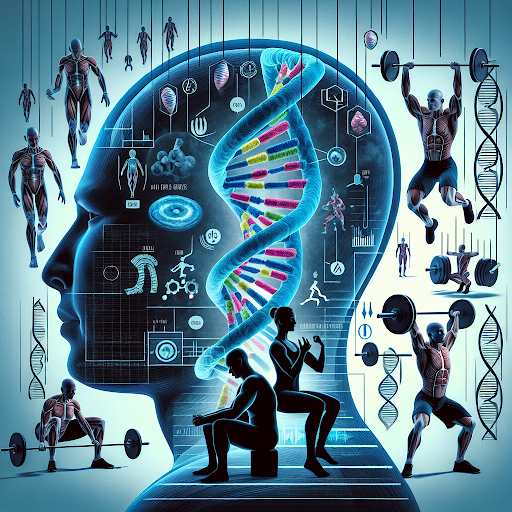
Can Lifting Weights Actually Slow Down Aging? Science Says Yes
We've all heard that exercise keeps us young. But what if I told you that picking up a barbell or doing push-ups might literally turn back the clock at a cellular level?
A compelling new study published in the journal Biology suggests that regular strength training isn't just about building muscle or getting stronger—it may be actively slowing down the aging process happening inside every cell of your body.
Let's break down what this means for you and your fitness routine.
---
The Study: What Researchers Found
Scientists analyzed data from 4,814 U.S. adults aged 20-69 as part of the National Health and Nutrition Examination Survey. They were looking at something fascinating: the relationship between strength training habits and telomere length.
The results were striking.
Adults who engaged in 90 or more minutes of strength training per week—that's roughly 30 minutes, three times a week—had telomeres that were an average of 60.3 base pairs longer than those who didn't strength train at all.
In practical terms? That translates to approximately 3.9 fewer years of biological aging.
Read that again. Nearly four years younger at the cellular level, simply from consistent resistance training.
---
Wait, What Are Telomeres?
Think of telomeres as the plastic caps on the ends of your shoelaces. They're protective sequences of DNA that sit at the tips of your chromosomes, preventing them from fraying or sticking together.
Here's the catch: every time your cells divide, these telomeres get a little shorter. When they become too short, cells can no longer divide properly, leading to aging, disease, and cellular dysfunction.
Longer telomeres = slower biological aging. Shorter telomeres = faster cellular decline.
While telomere length is influenced by many factors—genetics, stress levels, inflammation, nutrition, and overall lifestyle—this study adds strength training to the list of potentially powerful interventions.
---
What Counts as Strength Training?
The good news is that you don't need a fancy gym membership or expensive equipment. The study encompassed various forms of resistance exercise, including:
- Weightlifting (barbells, dumbbells)
- Bodyweight exercises (push-ups, pull-ups, squats, lunges)
- Kettlebell training
- Resistance machines
- Resistance bands
The key isn't what you use—it's that you're consistently challenging your muscles against resistance.
---
Why Strength Training Deserves Your Attention
Beyond the telomere benefits, strength training serves as a foundation for overall physical fitness. While cardio, flexibility, and mobility all play important roles in a well-rounded routine, building and maintaining strength becomes increasingly crucial as we age.
Consider these additional benefits:
- Preserved muscle mass (we naturally lose 3-8% per decade after 30)
- Improved bone density
- Better metabolic health
- Enhanced functional independence
- Reduced risk of falls and injuries
For tactical athletes, first responders, and anyone whose life demands physical readiness, strength isn't optional—it's essential.
---
The Important Caveats
Before you rush to the weight room expecting to reverse decades of aging overnight, a few important notes:
Correlation isn't causation. This study shows an association between strength training and longer telomeres, but it doesn't definitively prove that lifting weights causes telomere lengthening. More research is needed to establish direct causality.
Telomeres are just one biomarker. Biological aging is complex and influenced by countless factors. Telomere length is one piece of a much larger puzzle.
Consistency matters. The benefits were seen in those training 90+ minutes weekly over time—not from sporadic gym visits.
---
The Bottom Line
While we can't yet claim that strength training is a fountain of youth, the evidence is mounting that resistance exercise does something remarkable at the cellular level.
Ninety minutes a week. Three 30-minute sessions. That's the threshold where researchers saw meaningful differences in biological aging markers.
Whether you're 25 or 65, whether you're lifting heavy barbells or doing bodyweight exercises in your living room, the message is clear: strength training deserves a place in your routine.
Your future self—and apparently, your telomeres—will thank you.
---
What's your current strength training routine? Are you hitting that 90-minute weekly threshold? Drop a comment below and let's discuss how we can all age a little more gracefully—one rep at a time.
If you found this article valuable, please share it with someone who might benefit. And don't forget to subscribe for more evidence-based fitness insights.