Stick to Your Workout Routine—Expert Tips That Work
Why You Keep Quitting Your Workout Routine (And How to Finally Make It Stick)
Let's be honest: starting a workout routine is easy. Sticking to one? That's where most of us fall apart.
Maybe you've been here before. January rolls around, motivation surges, and you're hitting the gym five days a week. By March? Your running shoes are collecting dust, and that yoga mat has become an expensive cat bed.
Here's the truth fitness experts want you to know: the problem isn't your willpower—it's your strategy.
After diving into research and advice from certified trainers, psychologists, and elite athletes, one thing becomes clear. Sustainable fitness isn't about grinding harder. It's about working smarter with your brain, not against it.
---
Start Embarrassingly Small
Forget the "go hard or go home" mentality. It's actually sabotaging you.
NASM-certified trainer Jason Theodosakis recommends what he calls "minimum viable workouts"—think a 10-minute walk, a quick bodyweight circuit, or even just stretching while your coffee brews. The goal? Consistency over intensity.
Here's a game-changer: the 2-minute rule. When you're tempted to skip, commit to just two minutes of movement. That's it. More often than not, momentum kicks in and carries you further. But even if it doesn't? Two minutes still counts. You're building the habit muscle, which matters more than any single workout.
The science backs this up. Small wins create neural pathways that make exercise feel automatic over time. You're not just moving your body—you're rewiring your brain.
---
Make It Enjoyable (Yes, Really)
Here's a radical idea: what if your workout didn't feel like punishment?
If you hate running on a treadmill, stop forcing yourself onto one. Prefer hiking? Do that. Love dancing? Crank up the music in your living room. Experts consistently find that enjoyment is the single biggest predictor of long-term exercise adherence.
Try this: tie your workouts to something you love. Save your favorite podcast, audiobook, or playlist exclusively for exercise time. Suddenly, your morning walk becomes the only time you get to find out what happens next in that true crime series. Motivation problem? Solved.
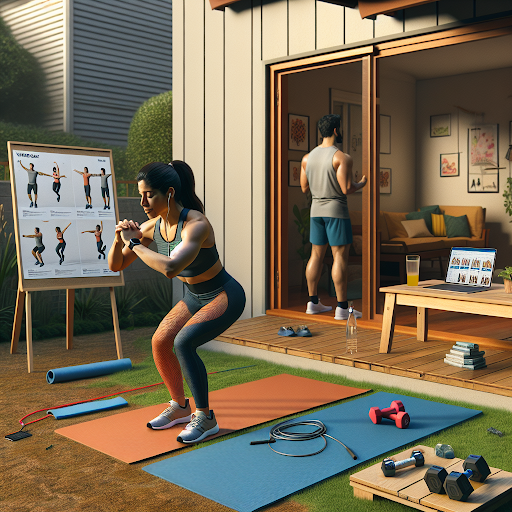
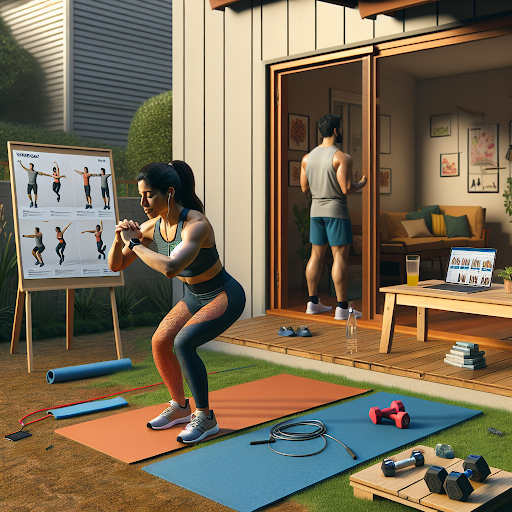
And here's another friction-buster: reduce every possible barrier between you and movement. Lay out your workout clothes the night before. Schedule sessions in your calendar like non-negotiable appointments. Choose a gym that's on your commute—or better yet, build a simple home routine that requires zero travel time.
The easier you make it, the more likely you are to show up.
---
Build Systems, Not Just Goals
Goals are great for direction. But systems are what actually get you there.
One powerful technique is habit stacking—attaching your workout to something you already do automatically. Exercise right after brushing your teeth. Do squats while waiting for your morning coffee. The existing habit becomes a trigger for the new one, reducing the mental effort required to get started.
Tracking also works wonders. Whether it's a simple journal, a fitness app, or even crossing days off a calendar, seeing your progress creates powerful momentum. There's something deeply satisfying about watching a streak grow—and something equally motivating about not wanting to break it.
But perhaps the most effective system? Accountability.
Psychotherapist Dr. Andrew Huberman's research suggests that having an accountability partner increases follow-through by a striking 65%. That could mean training with a friend, joining a fitness class, or simply sharing your goals publicly on social media. When someone else is expecting you to show up, you're far more likely to actually do it.
---
Reframe Setbacks (They're Not Failures)
Missed a workout? Skipped a whole week? Here's what the experts want you to understand: that's data, not disaster.
Instead of viewing slip-ups as proof that you "can't stick to anything," zoom out. Look at your weekly or monthly averages. Did you move more than you would have otherwise? Then you're winning.
Life will inevitably throw curveballs—busy seasons at work, sick kids, rainy days that kill your outdoor plans. The solution? Implementation intentions. These are simple "if-then" plans that prepare you for obstacles before they hit.
If it's raining, I'll do yoga indoors.
If I'm exhausted after work, I'll take a 15-minute walk instead of skipping entirely.
If I miss Monday, I'll go Tuesday—no guilt attached.
This kind of flexible thinking separates people who exercise for life from those who quit after a few setbacks.
And don't underestimate the foundations: sleep, nutrition, and recovery aren't separate from fitness—they're essential parts of it. You can't out-train chronic exhaustion.
---
The Mindset Shift That Changes Everything
Perhaps the most important insight from elite trainers like Peloton instructor Olivia Amato is this: fitness should feel like self-care, not self-punishment.
We've been conditioned to see exercise as something we do to our bodies—a penalty for eating too much, a way to "earn" rest. But the people who maintain lifelong fitness habits flip that script entirely. They exercise for their bodies. For better sleep. For mental clarity. For the energy to be present with the people they love.
Start celebrating non-scale victories. Notice when your mood improves, when you have more stamina playing with your kids, when stress feels more manageable. These wins matter—arguably more than any number on a scale.
---
The Bottom Line
Here's the truth that transforms everything: sticking to a workout routine is about 80% psychology and logistics, not willpower.
You don't need more discipline. You need better systems, more enjoyment, and a whole lot more self-compassion.
Start small. Make it fun. Build accountability. Plan for setbacks. And above all, remember that sustainable habits compound over time. The person who exercises moderately for decades will always outperform the one who goes all-out for three weeks and quits.
You don't have to be perfect. You just have to keep showing up—even when it's only for two minutes.
---
Now I'd love to hear from you: What's been your biggest obstacle to sticking with a workout routine? And if you've cracked the code, what's the one strategy that actually worked for you? Drop your thoughts in the comments below—let's learn from each other.
If this post resonated with you, share it with someone who needs to hear it. Sometimes the right advice at the right time makes all the difference.